
The Burj Khalifa: A Towering Triumph That Redefined Modern Skyscraper Design
Did you know that the Burj Khalifa, standing at an astonishing 828 meters (2,717 feet), is so tall that its spire can be seen from 95 kilometers (59 miles) away on a clear day? This colossal structure isn’t just a record-breaking height; it’s a testament to human ingenuity and a pivotal moment in the evolution of skyscraper architecture. Before its completion in 2010, the definition of a modern skyscraper was already being pushed, but the Burj Khalifa didn’t just push the boundaries – it shattered them, introducing groundbreaking concepts and engineering solutions that continue to influence tall building design today.
This article delves into the revolutionary aspects of the Burj Khalifa’s design, exploring how it addressed the unique challenges of building at such an extreme height and how its innovations have left an indelible mark on the world of architecture and engineering.
The Genesis of a Vision: More Than Just Height
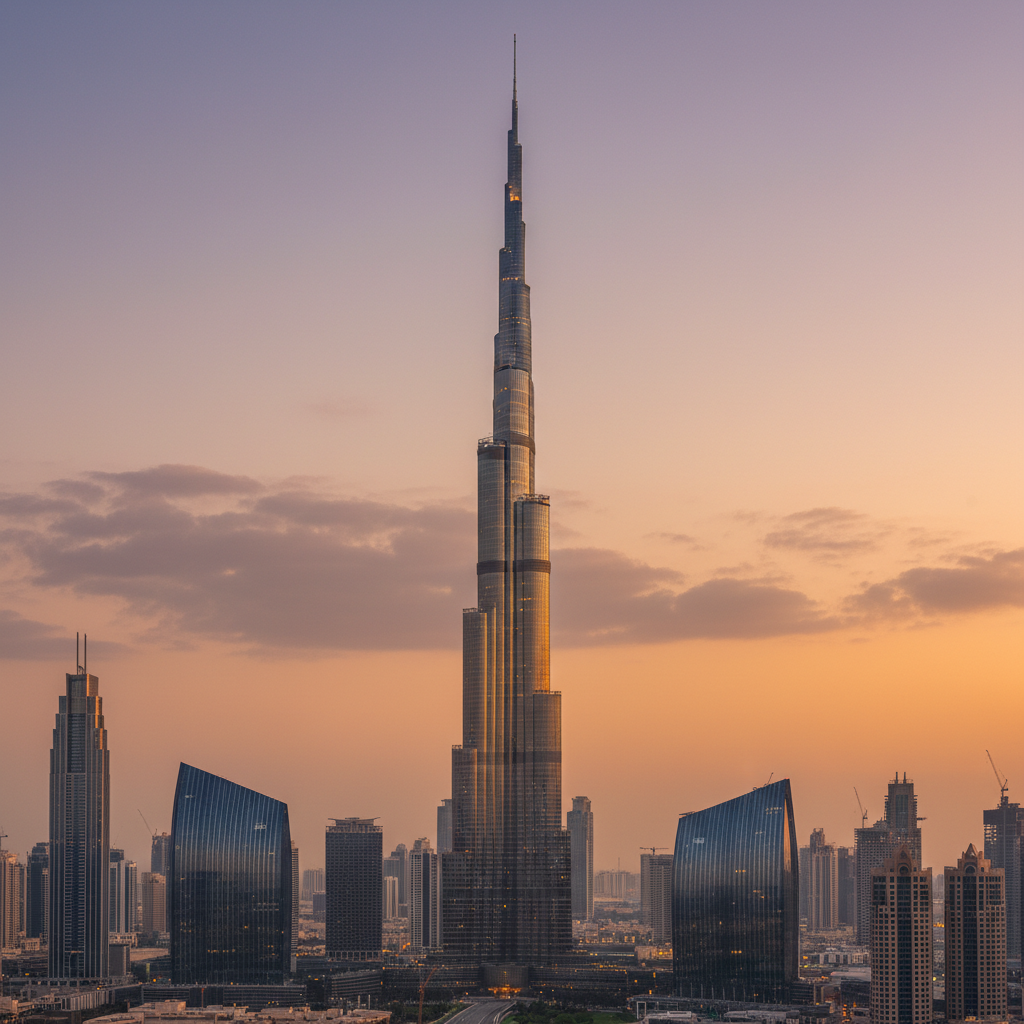
The aspiration behind the Burj Khalifa was to create more than just the world’s tallest building. It was conceived as a centerpiece for a new urban district in Dubai, a symbol of the city’s ambition and global stature. This vision demanded a structure that was not only superlatively tall but also aesthetically pleasing, functionally efficient, and structurally sound in a challenging environment.
Overcoming Environmental Hurdles
Dubai’s climate presents significant challenges for any construction project, let alone one of unprecedented height. High temperatures, strong winds, and sandy soil conditions required meticulous planning and innovative solutions. The design team, led by Adrian Smith of Skidmore, Owings & Merrill (SOM), had to account for:
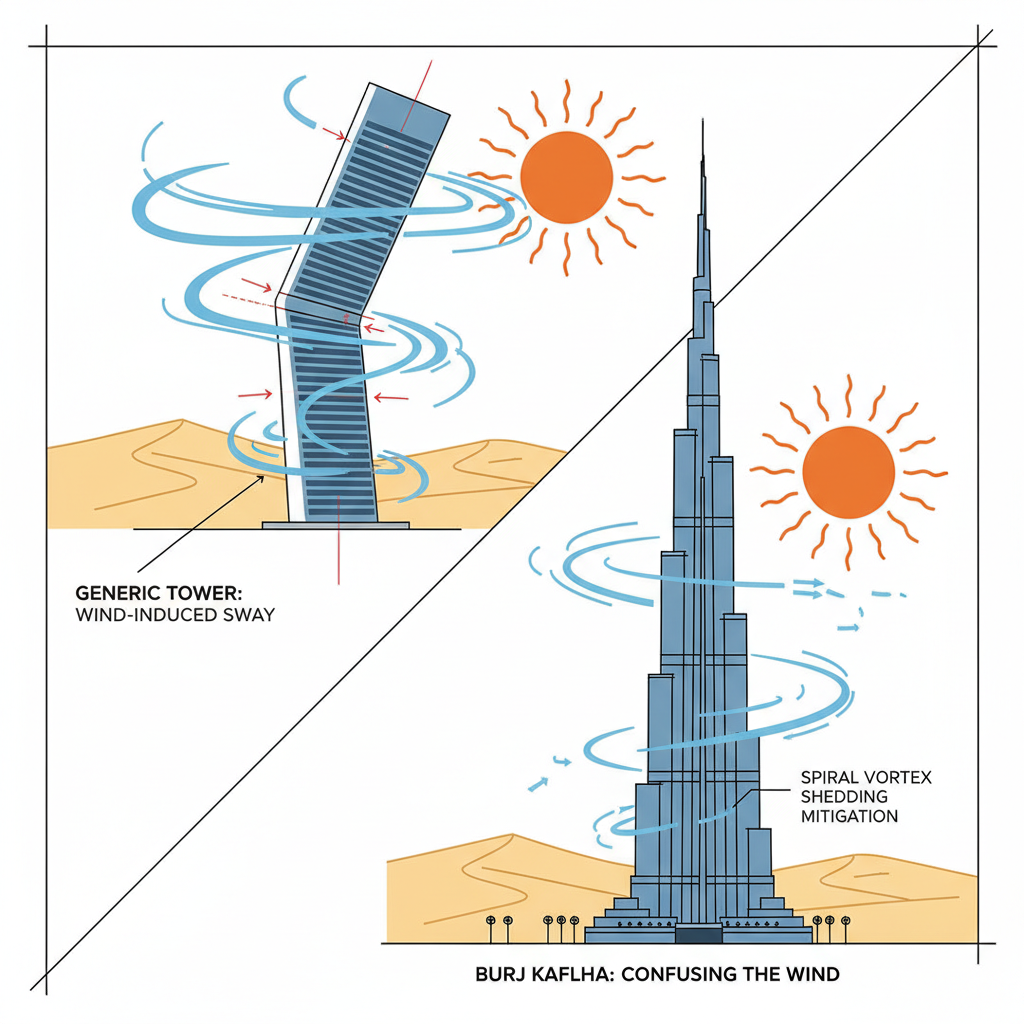
- Wind Forces: As buildings get taller, they become increasingly susceptible to wind loads. The Burj Khalifa’s unique shape and tapering design were specifically engineered to ‘confuse’ the wind, minimizing vortex shedding and reducing the building’s sway.
- Thermal Expansion: Extreme temperature fluctuations can cause building materials to expand and contract. The materials and structural system were chosen and designed to accommodate these movements without compromising integrity.
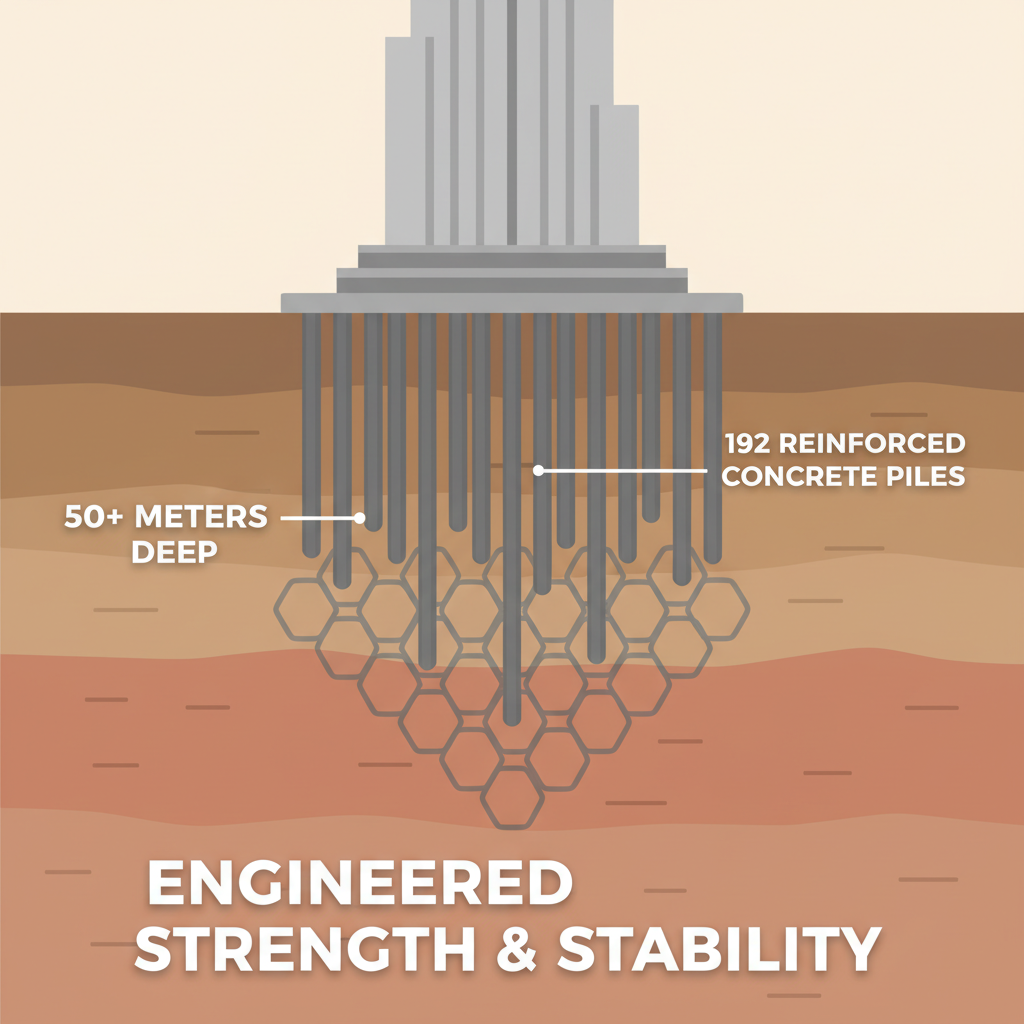
- Foundation Stability: Constructing a supertall building requires a robust foundation. The Burj Khalifa rests on a foundation system that includes over 192 reinforced concrete piles extending more than 50 meters (164 feet) deep into the ground.
Architectural Innovations: A Form Born of Function
The Burj Khalifa’s iconic silhouette is not merely an aesthetic choice; it’s a direct result of addressing the engineering and environmental challenges it faced.
The ‘Buttressed Core’ System
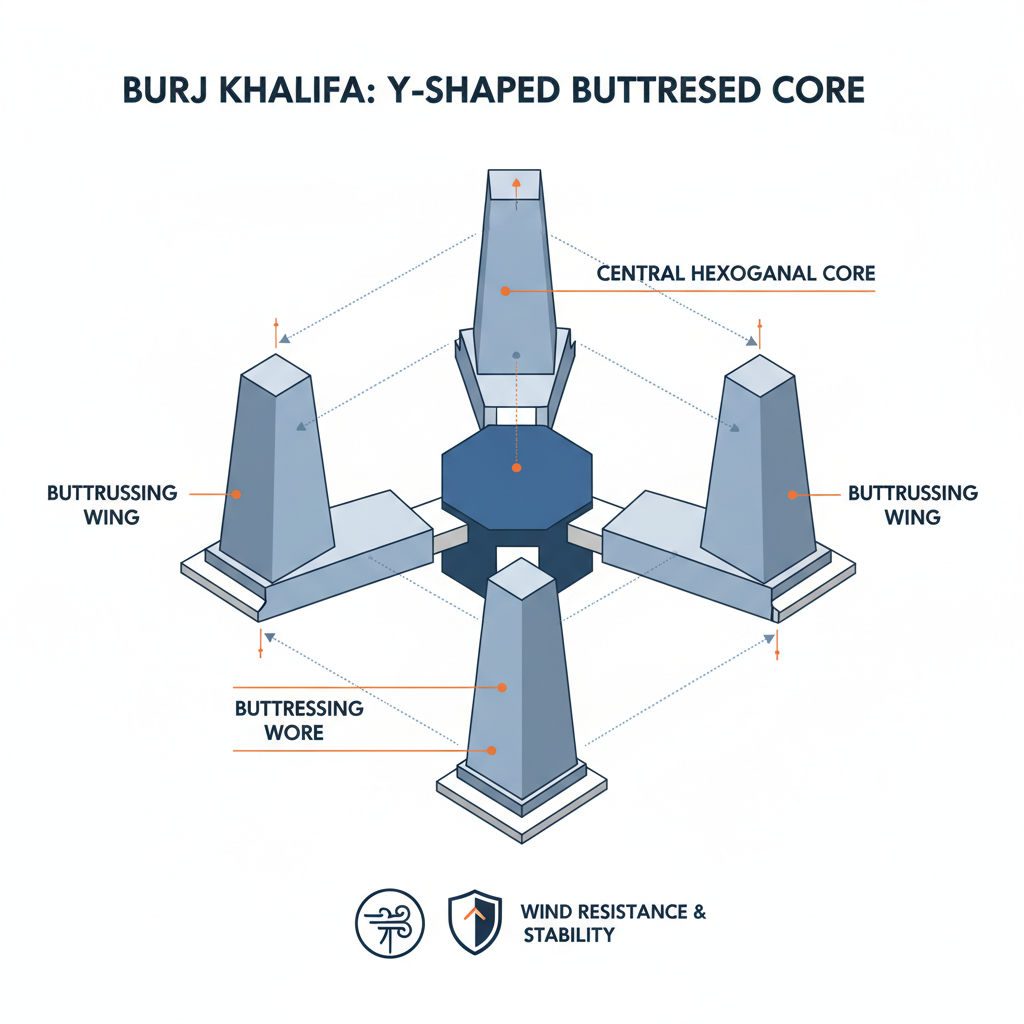
At the heart of the Burj Khalifa’s structural success is its innovative buttressed core system. This design features a hexagonal central core, reinforced by three buttresses that extend outwards. This Y-shaped floor plan provides exceptional torsional resistance and stability against the lateral forces of wind and seismic activity.
- Y-Shaped Plan: The three wings of the Y-shape ensure that the building’s mass is concentrated around the core, providing inherent stability.
- Stepped Form: As the building ascends, the wings are set back in a spiraling pattern. This not only contributes to the building’s aesthetic appeal but also reduces the wind’s impact by disrupting wind vortices. Each setback also allows for the construction of sky gardens, providing amenity space and contributing to the building’s microclimate.
The Spire: A Crown of Engineering
The slender, tapering spire of the Burj Khalifa is a marvel in itself. It houses communication equipment and is an integral part of the building’s overall structural system, helping to counteract wind forces. Its construction required advanced techniques to lift and assemble sections at extreme heights.
Engineering Marvels: Pushing the Limits of Construction
The construction of the Burj Khalifa was an undertaking of monumental proportions, requiring the development and application of cutting-edge engineering techniques.
High-Strength Concrete Pumping
One of the most significant engineering achievements was the pumping of high-strength concrete to unprecedented heights. Concrete was pumped to over 600 meters (1,968 feet), a world record at the time. This was crucial for building the central core and other structural elements efficiently.
- Specialized Mixes: The concrete mix had to be formulated to maintain its workability and strength under extreme pressure and temperature conditions.
- Advanced Pumping Technology: Specialized pumps and delivery systems were developed to handle the immense volumes and pressures involved.
Modular Construction and Prefabrication
To expedite construction and ensure quality, many components of the Burj Khalifa were prefabricated off-site. This included facade panels, elevator components, and even some structural elements. This approach not only saved time but also allowed for rigorous quality control in a factory setting.
Advanced Facade System
The Burj Khalifa’s facade is a complex system designed to withstand Dubai’s harsh climate while providing thermal insulation and minimizing solar heat gain. It features:
- Reflective Glazing: The glass used is specially designed to reflect sunlight and reduce the heat entering the building, thus lowering cooling loads.
- Aluminum and Textured Stainless Steel Panels: These materials provide durability, aesthetic appeal, and protection against the elements.
- Double-Skin Facade Elements: In certain areas, a double-skin facade helps to insulate the building and manage airflow.
The Impact on Modern Skyscraper Design
The Burj Khalifa’s success has had a profound and lasting impact on how modern skyscrapers are conceived, designed, and built.
A New Benchmark for Height and Ambition
It has set a new global benchmark for supertall buildings, inspiring architects and developers to push the limits of height and ambition. The desire to create iconic structures that symbolize progress and innovation is now more prevalent than ever.
Emphasis on Integrated Design
The Burj Khalifa exemplifies the importance of an integrated design process, where architects, structural engineers, facade consultants, and MEP (Mechanical, Electrical, and Plumbing) engineers work collaboratively from the outset. This holistic approach ensures that all aspects of the building are optimized to work together efficiently.
Sustainable Tall Building Design
While height was the primary driver, the Burj Khalifa also incorporated elements of sustainable design, such as the reduction of solar heat gain through its facade and the use of water-efficient fixtures. This has contributed to a growing trend towards more sustainable supertall structures.
- Reduced Cooling Loads: The facade design significantly reduces the energy required for cooling.
- Water Conservation: Advanced systems minimize water consumption.
Inspiring Future Generations
Structures like the Burj Khalifa serve as powerful inspirations for future generations of architects and engineers. They demonstrate that seemingly impossible engineering feats are achievable with vision, innovation, and meticulous planning.
Expert Insights:
“The Burj Khalifa is a triumph of engineering and a symbol of human achievement. Its design is a masterclass in how form can follow function, especially when dealing with the extreme challenges of supertall construction,” says Professor Anya Sharma, a leading architectural historian. “The innovative structural system and the way it addresses wind forces are particularly noteworthy and have influenced countless subsequent designs.”
Dr. Kenji Tanaka, a structural engineer specializing in tall buildings, adds, “The pumping of concrete to such extreme heights was a groundbreaking feat. It opened up new possibilities for constructing the cores of supertall buildings more efficiently and safely. The Burj Khalifa truly pushed the envelope in construction technology.”
Beyond the Structure: A Symbol of Progress
The Burj Khalifa is more than just steel and concrete; it’s a symbol of Dubai’s rapid development and its aspirations on the global stage. It has become a major tourist attraction and a landmark that is recognized worldwide. Its existence has spurred further development in the surrounding area, creating a vibrant urban hub.
Economic Impact
The construction of the Burj Khalifa provided significant economic benefits, creating thousands of jobs and stimulating various industries. Post-completion, it continues to contribute to the economy through tourism, real estate, and hospitality.
Urban Planning and Development
The tower was the catalyst for the development of Downtown Dubai, a mixed-use district that includes residential, commercial, and leisure facilities. This integrated approach to urban planning has become a model for other ambitious city development projects.
Conclusion: An Enduring Legacy
The Burj Khalifa stands as a monumental achievement in the history of architecture and engineering. It didn’t just achieve an unprecedented height; it fundamentally redefined what was possible in skyscraper design. By ingeniously tackling the challenges of wind, climate, and construction, its creators developed innovative solutions that have become benchmarks for the industry.
From its buttressed core and Y-shaped plan to the advanced concrete pumping and facade systems, every aspect of the Burj Khalifa’s design and construction was a step forward. It has inspired a new generation of supertall buildings, emphasizing integrated design, sustainability, and the relentless pursuit of human ingenuity. The Burj Khalifa is not just a building; it’s a powerful statement of ambition and a lasting legacy of architectural and engineering excellence that will continue to influence skylines for decades to come.
Frequently Asked Questions (FAQs)
1. What makes the Burj Khalifa’s design so unique?
The Burj Khalifa’s design is unique due to its buttressed core system, a Y-shaped floor plan, and a spiraling, stepped form that helps to mitigate wind forces. This combination of architectural and structural innovation allows it to achieve its immense height while maintaining stability.
2. How did the Burj Khalifa overcome wind challenges?
The building’s unique shape, with its setbacks and tapering form, is designed to ‘confuse’ the wind. This disrupts the formation of wind vortices, reducing the building’s sway. The robust central core and buttresses also provide significant resistance to lateral wind loads.
3. What was the most challenging aspect of building the Burj Khalifa?
One of the most significant challenges was pumping high-strength concrete to extreme heights, a feat that required developing new technologies and specialized mixes. Managing the immense structural loads and ensuring stability throughout construction were also critical hurdles.
4. How does the Burj Khalifa contribute to sustainability?
While primarily an engineering marvel, the Burj Khalifa incorporates sustainable features such as a highly reflective facade that reduces solar heat gain and lowers cooling energy demands. It also utilizes water-efficient fixtures and systems.
5. Has the Burj Khalifa inspired other skyscrapers?
Absolutely. Its success has set a new standard for supertall buildings, inspiring architects and engineers globally to explore new heights and innovative design solutions. Many subsequent tall buildings have adopted similar principles of aerodynamic design and robust structural systems.
6. What is the height of the Burj Khalifa?
The Burj Khalifa stands at an impressive 828 meters (2,717 feet) tall, making it the tallest building in the world since its completion in 2010.
Key Takeaways
- The Burj Khalifa redefined skyscraper design through its innovative buttressed core and Y-shaped floor plan.
- Its unique tapering and stepped form were engineered to mitigate extreme wind loads.
- The construction involved groundbreaking engineering feats, including high-strength concrete pumping to unprecedented heights.
- The building’s facade system is designed for thermal performance and durability in a harsh climate.
- The Burj Khalifa has inspired a new era of supertall construction, emphasizing integrated design and pushing engineering boundaries.
Cited Sources
- Council on Tall Buildings and Urban Habitat (CTBUH): A leading authority on tall buildings, providing data and research on global skyscrapers. https://www.ctbuh.org/
- Skidmore, Owings & Merrill (SOM): The architectural firm responsible for the design of the Burj Khalifa. https://www.som.com/
- Emporis: A comprehensive database of buildings worldwide, offering detailed information on skyscrapers. https://www.emporis.com/