
The Dixons Carphone Catastrophe: A Deep Dive into the 2017 Data Breach
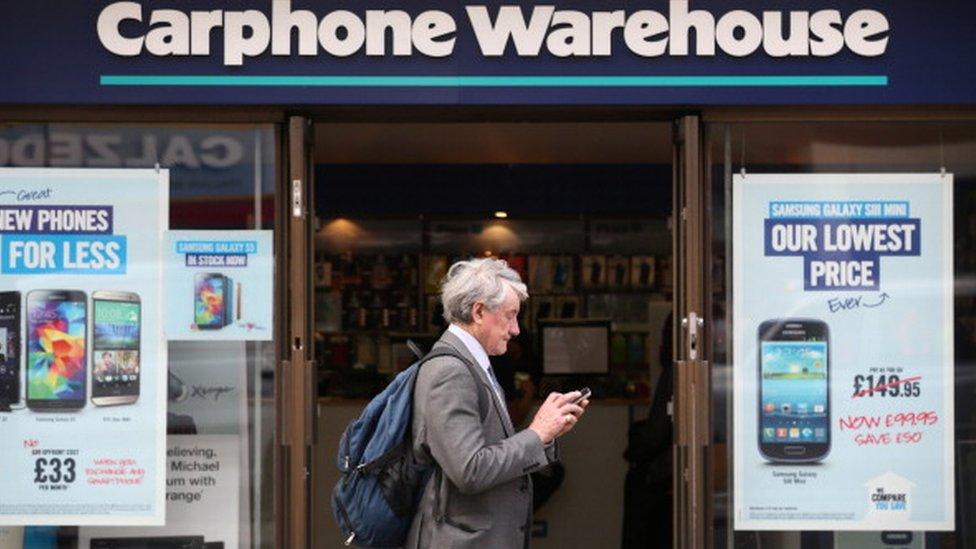
In the summer of 2017, a digital tremor shook the foundations of one of Britain’s largest electronics and telecommunications retailers. Dixons Carphone, a household name operating under popular brands like Currys PC World and Carphone Warehouse, found itself at the center of a colossal data breach. This incident, which unfolded in July 2017, exposed the personal records of an staggering 10 million individuals and compromised nearly 6 million payment cards. The attack, orchestrated through malicious software installed on over 5,000 point-of-sale (POS) terminals across numerous UK locations, ultimately impacted approximately 14 million customers. This breach serves as a stark reminder of the ever-present cyber threats and the critical need for robust digital security in today’s interconnected world.
Unpacking the Breach: How It Happened
The sophistication of the attack was alarming. Hackers managed to infiltrate Dixons Carphone’s systems by exploiting a vulnerability that allowed them to install malicious software onto a significant number of their tills. These tills, also known as POS terminals, are the workhorses of retail, processing countless transactions daily. By compromising these devices, the attackers gained a direct gateway into sensitive customer data. The sheer scale of the breach – affecting over 5,000 tills – suggests a well-planned and executed operation.
The Attack Vector: A Digital Foothold
While the full technical details of the exploit remain proprietary, the method involved gaining unauthorized access to the company’s network and then deploying malware onto the POS systems. This malware was designed to intercept and steal the data as it was being processed during customer transactions. The attackers likely targeted the systems that handle payment card information, aiming to capture details such as card numbers, expiry dates, and security codes.
The Human Element: A Vulnerability Exploited?
In many cyberattacks, the human element plays a crucial role. Whether through phishing attempts, weak password practices, or social engineering, employees can inadvertently become the weakest link in an organization’s security chain. While not explicitly detailed in public reports, it’s plausible that the initial entry point into Dixons Carphone’s network was facilitated by a human error or a compromised employee account. Understanding these potential vulnerabilities is key to preventing future incidents.
The Devastating Impact: What Was Compromised?
The Dixons Carphone breach had far-reaching consequences, affecting both the company and its vast customer base. The sheer volume of compromised data is a chilling testament to the potential damage that can be inflicted by cybercriminals.
Personal Records: A Treasure Trove for Identity Thieves
Approximately 10 million personal records were accessed. This data likely includes a wide array of sensitive information such as names, addresses, email addresses, phone numbers, and possibly even dates of birth. For identity thieves, this information is a goldmine, enabling them to commit fraud, open accounts in victims’ names, and wreak havoc on their financial lives.
Payment Card Data: The Immediate Financial Threat
Of even greater immediate concern were the nearly 6 million payment cards that were compromised. This data is directly linked to financial accounts and can be used for fraudulent purchases, both online and in physical stores. The compromise of payment card details poses a significant risk of direct financial loss for affected customers.
The Ripple Effect: Affecting 14 Million Customers
When considering the overlap between individuals whose personal records were accessed and those whose payment cards were compromised, the total number of affected customers reached approximately 14 million. This broad reach meant that a substantial portion of Dixons Carphone’s customer base was potentially at risk.
The Aftermath: Response and Remediation
Following the discovery of the breach, Dixons Carphone (now Currys) initiated a response and remediation process. The company worked with cybersecurity experts and law enforcement to investigate the incident and mitigate its impact.
Investigation and Disclosure
The company conducted an internal investigation and eventually disclosed the breach to the public and relevant authorities. Transparency, while painful, is a crucial step in managing the fallout from a data breach. The Information Commissioner’s Office (ICO) in the UK, the data protection regulator, was undoubtedly involved in overseeing the investigation and potential penalties.
Customer Notification and Support
Dixons Carphone undertook efforts to notify affected customers about the breach. This often involves providing guidance on how to protect themselves, such as monitoring bank statements and credit reports for suspicious activity. In some cases, companies may offer credit monitoring services to affected individuals.
Security Enhancements: Learning from the Experience
Perhaps the most critical aspect of the aftermath is the implementation of enhanced security measures. Following such a significant breach, retailers are compelled to re-evaluate and strengthen their cybersecurity infrastructure. This can include:
- Upgrading POS systems: Implementing more secure payment terminals and ensuring they are regularly patched and updated.
- Network segmentation: Isolating critical systems to prevent a breach in one area from spreading to others.
- Enhanced monitoring: Deploying sophisticated tools to detect and respond to suspicious activity in real-time.
- Employee training: Conducting regular cybersecurity awareness training for all staff.
- Data encryption: Encrypting sensitive data both in transit and at rest.
Lessons Learned: A Crucial Wake-Up Call for Businesses and Consumers
The Dixons Carphone breach, like many before it, offers invaluable lessons for both businesses and consumers. The digital landscape is constantly evolving, and the threats are becoming increasingly sophisticated. Proactive security measures and informed vigilance are no longer optional but essential.
For Businesses: Prioritizing Cybersecurity
- Invest in robust security: Companies must view cybersecurity not as an IT expense, but as a fundamental business investment. This includes investing in up-to-date technology, skilled personnel, and comprehensive security strategies.
- Regular risk assessments: Conducting frequent vulnerability assessments and penetration testing to identify and address weaknesses before they can be exploited.
- Incident response plan: Developing and regularly testing a detailed incident response plan to ensure a swift and effective reaction in the event of a breach.
- Data minimization: Collecting and retaining only the data that is absolutely necessary. The less data you hold, the less there is to lose.
- Third-party risk management: Ensuring that any third-party vendors or partners who handle sensitive data also have strong security practices in place.
For Consumers: Vigilance and Protection
- Strong, unique passwords: Use complex passwords for online accounts and avoid reusing them across different platforms. Consider using a password manager.
- Two-factor authentication (2FA): Enable 2FA wherever possible. This adds an extra layer of security by requiring a second form of verification.
- Monitor financial accounts: Regularly review bank and credit card statements for any unauthorized transactions. Report suspicious activity immediately.
- Be wary of phishing: Be cautious of unsolicited emails, texts, or calls asking for personal information. Legitimate organizations rarely ask for sensitive data via these channels.
- Keep software updated: Ensure that your operating systems, browsers, and applications are always up-to-date with the latest security patches.
- Understand data privacy: Be mindful of the information you share online and with businesses. Read privacy policies to understand how your data is being used.
The Broader Context: A Landscape of Data Breaches
The Dixons Carphone incident is not an isolated event. The past decade has seen a dramatic increase in the frequency and scale of data breaches affecting major corporations across various sectors. From retail giants to healthcare providers and government agencies, no organization is entirely immune. This ongoing trend underscores the critical need for a collective effort to bolster cybersecurity defenses globally.
Regulatory Scrutiny and GDPR
Incidents like the Dixons Carphone breach have also led to increased regulatory scrutiny and the implementation of stricter data protection laws. The General Data Protection Regulation (GDPR) in Europe, for example, imposes significant obligations on businesses regarding the collection, processing, and protection of personal data, with hefty fines for non-compliance. While the Dixons Carphone breach predates the full enforcement of GDPR, the principles of accountability and data protection are now paramount.
The Evolving Threat Landscape
Cybercriminals are constantly innovating, developing new and more sophisticated attack methods. Ransomware, advanced persistent threats (APTs), and supply chain attacks are just a few examples of the evolving threat landscape. This necessitates a continuous adaptation of security strategies and a commitment to staying ahead of emerging threats.
Conclusion: A Call to Action for a Secure Digital Future
The Dixons Carphone data breach of 2017 was a wake-up call, highlighting the vulnerabilities inherent in our increasingly digital lives. The compromise of millions of personal records and payment cards served as a stark reminder that robust cybersecurity is not just an IT concern, but a fundamental imperative for businesses and a crucial aspect of personal safety for consumers. By understanding the mechanisms of such attacks, learning from the aftermath, and actively implementing preventive measures, we can collectively work towards building a more secure digital future. The responsibility lies with businesses to invest in and prioritize security, and with consumers to remain vigilant and informed. Only through this dual approach can we hope to mitigate the risks and navigate the complex challenges of the modern cyber world.
Frequently Asked Questions (FAQs)
1. What was the primary cause of the Dixons Carphone data breach?
The primary cause was the installation of malicious software on over 5,000 point-of-sale (POS) terminals across various Dixons Carphone locations. This malware allowed attackers to intercept and steal customer data during transactions.
2. How many customers were affected by the Dixons Carphone breach?
Approximately 14 million customers were affected in total. This included about 10 million individuals whose personal records were accessed and nearly 6 million whose payment card details were compromised.
3. What kind of personal data was compromised?
The compromised data included personal records such as names, addresses, email addresses, and phone numbers. Additionally, nearly 6 million payment card details were accessed.
4. What steps did Dixons Carphone (now Currys) take after the breach?
Dixons Carphone conducted an investigation, disclosed the breach, notified affected customers, and worked on implementing enhanced security measures to prevent future incidents. This included upgrading POS systems and improving network security.
5. What can individuals do to protect themselves from identity theft and financial fraud after a data breach?
Individuals should regularly monitor their bank and credit card statements, use strong and unique passwords for online accounts, enable two-factor authentication, be cautious of phishing attempts, and keep their software updated. Consider using credit monitoring services if offered.
6. Did Dixons Carphone face any penalties for the data breach?
While specific penalties can vary and are often subject to regulatory investigations, major data breaches typically result in significant fines and reputational damage. The Information Commissioner’s Office (ICO) in the UK would have overseen any regulatory action, though the specifics of any fines or settlements would need to be checked against official ICO records or company financial reports for the period following the breach.
References:
- Information Commissioner’s Office (ICO) – The UK’s independent body responsible for upholding information rights.
- National Cyber Security Centre (NCSC) – The UK’s authority on cybersecurity.
- Currys plc Official Website – For company updates and information.