
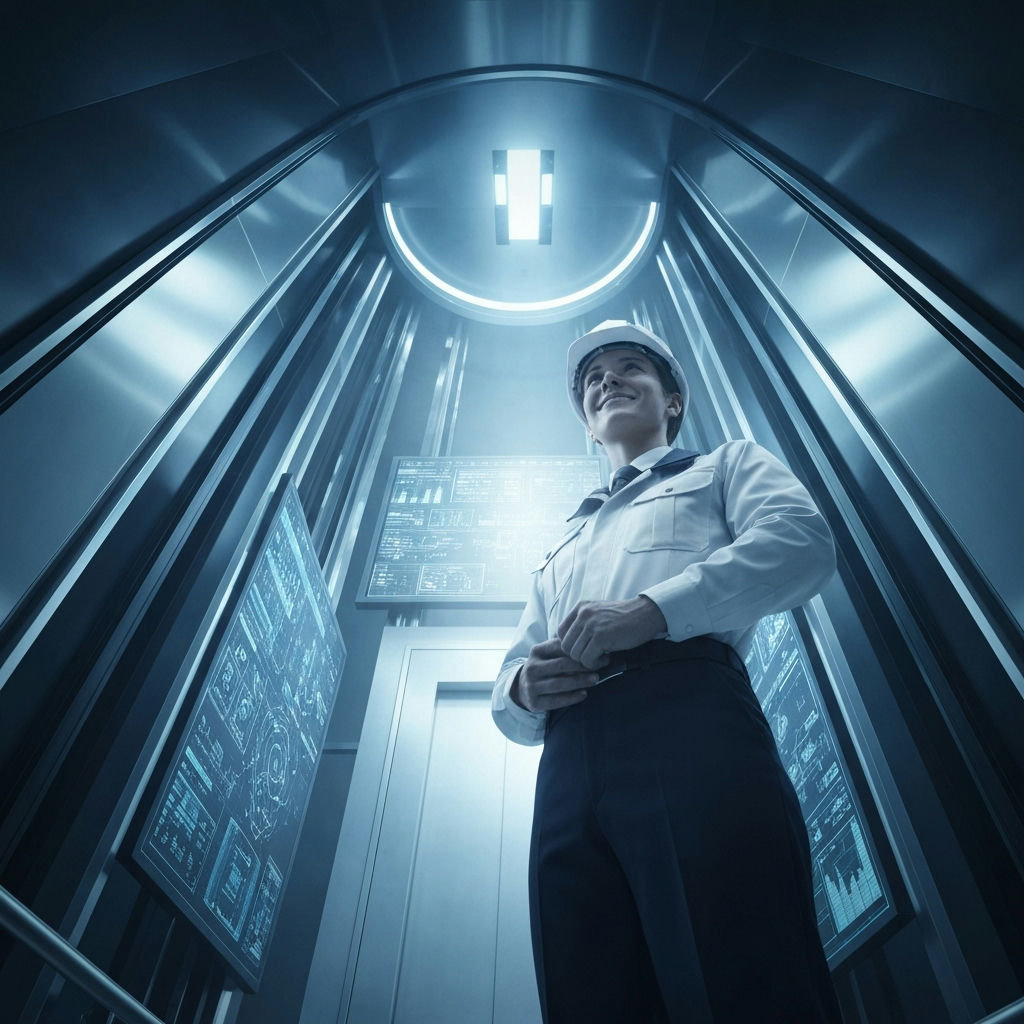
Imagine a vertical city, a marvel of engineering and human ambition piercing the clouds. This isn’t science fiction; it’s the reality of the Burj Khalifa, the world’s tallest building, standing proudly in Dubai. While millions marvel at its gleaming exterior, the true wonder lies within its colossal structure – a hidden world of cutting-edge technology, intricate operations, and a thriving community that most visitors never glimpse. This article delves deep into the unseen aspects of the Burj Khalifa, exploring the complex systems and dedicated people who keep this iconic skyscraper functioning seamlessly in 2026.
The Unseen Backbone: Engineering and Technology
The Burj Khalifa is more than just a tall building; it’s a testament to groundbreaking engineering. Its very existence relies on a sophisticated network of integrated systems that manage everything from climate control to vertical transportation. Understanding these unseen elements is key to appreciating the sheer scale of this architectural titan.
Climate Control: A Breath of Fresh Air, Miles High
Maintaining a comfortable internal environment in a structure that reaches over 828 meters (2,717 feet) is an immense challenge. The extreme temperature differences between the base and the summit, coupled with Dubai’s scorching climate, necessitate a highly advanced HVAC (Heating, Ventilation, and Air Conditioning) system. This system is not a single unit but a complex, decentralized network of chillers, air handling units, and distribution systems spread throughout the building.
- Dehumidification Prowess: One of the most critical functions is dehumidification. The sheer volume of air processed daily requires powerful dehumidifiers to prevent condensation and maintain optimal humidity levels, crucial for both occupant comfort and the preservation of building materials. The system continuously monitors and adjusts humidity, a feat that requires constant energy input and precise control.
- Energy Efficiency: In an era of heightened environmental awareness, the Burj Khalifa’s HVAC system incorporates significant energy-saving measures. Advanced control algorithms optimize cooling and heating based on occupancy, time of day, and external weather conditions. The building’s reflective exterior also plays a role in reducing solar heat gain, lessening the load on the cooling systems. For a deeper understanding of sustainable building practices, resources from organizations like the U.S. Green Building Council offer valuable insights.
- Air Quality Management: Beyond temperature and humidity, ensuring superior indoor air quality is paramount. The system filters incoming air to remove pollutants and allergens, circulating fresh, clean air to every corner of the tower. Regular maintenance and sensor checks are vital to guarantee the system’s efficacy.
Vertical Transportation: The Pulse of the Tower
With 163 floors, the Burj Khalifa relies on an extensive and sophisticated elevator system to move people and goods efficiently. These aren’t ordinary elevators; they are high-speed, intelligent machines designed for speed, safety, and capacity.
- Double-Deck Elevators: Many of the Burj Khalifa’s elevators are double-deck, meaning they can carry twice the number of passengers per trip. This ingenious design significantly reduces waiting times and optimizes traffic flow within the building.
- Advanced Control Systems: The elevator control system is a marvel of modern technology. It uses algorithms to predict passenger demand, group calls, and direct elevators to the most efficient routes, minimizing travel time and energy consumption. Imagine a real-time traffic management system, but for vertical movement.
- Speed and Capacity: The elevators travel at speeds of up to 10 meters per second (33 feet per second), making the journey to the upper floors remarkably swift. The sheer capacity of the system is designed to handle the daily influx and egress of thousands of residents, hotel guests, and office workers.
- Safety Features: Redundancy and safety are built into every aspect. Multiple backup systems, advanced braking mechanisms, and continuous monitoring ensure the highest levels of safety for all passengers.
Water Supply and Waste Management: A Microcosm of Urban Life
The logistics of supplying water to and managing waste from a building of this magnitude are staggering. It essentially operates as a self-contained city with its own complex utility infrastructure.
- Water Distribution: The building requires a massive amount of water daily for drinking, sanitation, cooling systems, and irrigation. A sophisticated pumping system draws water from underground reservoirs and distributes it throughout the tower via a network of pipes. The pressure required to push water to the highest floors is immense, necessitating powerful pumps and reinforced piping.
- Wastewater Treatment: All wastewater generated within the Burj Khalifa is collected and treated on-site. This not only reduces the strain on Dubai’s municipal infrastructure but also allows for potential water recycling for non-potable uses, such as irrigation and cooling tower make-up water. This closed-loop system is a critical component of the building’s sustainability efforts.
- Fire Safety Systems: A comprehensive fire suppression system is integrated throughout the building. This includes pressurized water tanks, fire pumps, sprinkler systems on every floor, and advanced smoke detection and alarm systems. The vertical nature of the building presents unique challenges for fire evacuation, making these systems absolutely critical. The importance of robust fire safety measures in tall buildings is a topic frequently discussed by organizations like the National Fire Protection Association (NFPA).
The Human Element: Life Within the Tower
Beyond the technology, the Burj Khalifa is a vibrant community. It’s home to thousands of people, each contributing to its dynamic existence.
Residential Living: Sky-High Apartments
The Burj Khalifa offers some of the most exclusive residential addresses in the world. These apartments are more than just living spaces; they are elevated sanctuaries with unparalleled views and access to world-class amenities.
- Luxury Residences: From studios to multi-bedroom suites, the residential floors offer a range of living options. Residents enjoy bespoke interiors, smart home technology, and breathtaking panoramas of Dubai.
- Exclusive Amenities: Residents have access to private lounges, fitness centers, swimming pools, and concierge services, all designed to provide a seamless and luxurious living experience. The sense of community among residents is fostered through shared spaces and organized events.
- Security and Privacy: Robust security systems ensure the privacy and safety of all residents, with controlled access points and dedicated security personnel.
Corporate Hub: A Prestigious Business Address
The Burj Khalifa is also a prime location for businesses, attracting multinational corporations and prestigious firms. The presence of major companies underscores its status as a global business hub.
- Prime Office Space: The office floors offer state-of-the-art facilities, flexible layouts, and stunning views, providing an inspiring environment for businesses. The prestige of an address in the Burj Khalifa is a significant draw for companies looking to establish a strong brand presence.
- Networking Opportunities: Being part of a dynamic ecosystem of leading businesses within the tower creates unparalleled networking and collaboration opportunities.
- Business Support Services: Comprehensive business support services, including meeting rooms, conference facilities, and IT infrastructure, are available to tenants.
Hospitality Excellence: The Armani Hotel Dubai
The lower floors of the Burj Khalifa are home to the luxurious Armani Hotel Dubai, a collaboration between Giorgio Armani and Emaar Properties. This hotel is an embodiment of sophisticated design and impeccable service.
- Designer Suites: Every aspect of the hotel, from the guest rooms to the public spaces, reflects Armani’s signature minimalist elegance and attention to detail.
- World-Class Dining: The hotel boasts several acclaimed restaurants, offering diverse culinary experiences with stunning city views.
- Guest Experience: The hotel staff are trained to provide an unparalleled level of personalized service, ensuring every guest’s stay is memorable.
Observation Decks: Glimpses of the Sky
While not strictly “hidden,” the observation decks offer a unique perspective on the city and the building itself. These popular attractions provide millions of visitors each year with an unforgettable experience.
- “At the Top”: Located on levels 124 and 125, this popular attraction offers panoramic views of Dubai. Advanced telescopes provide augmented reality views, identifying landmarks and offering historical context.
- “At the Top, Burj Khalifa SKY”: This exclusive experience takes visitors even higher, to level 148, offering a more serene and elevated perspective of the city. It features an outdoor terrace, providing an exhilarating open-air encounter with the sky.
The Unsung Heroes: The People Behind the Scenes
A building of this complexity requires a dedicated team of professionals working around the clock to ensure its smooth operation. These are the unsung heroes who keep the Burj Khalifa running.
Building Management and Operations Team
This team is the nerve center of the Burj Khalifa’s daily operations. Their responsibilities are vast and varied, encompassing everything from routine maintenance to emergency response.
- Facility Management: A dedicated team oversees the maintenance of all building systems, including HVAC, elevators, electrical, plumbing, and fire safety. Proactive maintenance schedules are crucial to prevent system failures.
- Security Personnel: A highly trained security force works 24/7 to ensure the safety and security of residents, guests, and staff. They manage access control, monitor surveillance systems, and respond to any security incidents.
- Guest Services: For the hotel and residents, dedicated guest services teams provide support, handle requests, and ensure a high level of satisfaction.
Maintenance Crews: The Guardians of the Structure
Specialized maintenance crews are essential for the upkeep of the Burj Khalifa’s colossal structure. Their work is often challenging and performed at extreme heights.
- Window Cleaning: The iconic glass facade requires regular cleaning to maintain its pristine appearance. This is a highly specialized and dangerous job, often performed by teams using advanced scaffolding and safety equipment. The sheer scale means this process takes months.
- Facade Inspection and Repair: Regular inspections are conducted to check for any wear and tear on the exterior materials, ensuring the building’s structural integrity and aesthetic appeal.
- System Technicians: Highly skilled technicians are responsible for the maintenance and repair of the complex mechanical, electrical, and plumbing systems. Their expertise is vital for keeping the building’s “organs” functioning.
Emergency Services and Preparedness
The Burj Khalifa has a robust emergency response plan in place, involving close coordination with Dubai’s civil defense and emergency services.
- Fire Wardens and Evacuation Procedures: Designated fire wardens on each floor are trained to manage emergency situations and guide occupants during evacuations. Regular drills ensure preparedness.
- Medical Support: On-site medical personnel and first-aid facilities are available to respond to any medical emergencies.
- Coordination with External Agencies: The building management maintains close communication channels with Dubai’s police, ambulance, and fire departments to ensure a swift and coordinated response to any major incident. The principles of emergency preparedness in tall buildings are thoroughly documented by organizations like the Council on Tall Buildings and Urban Habitat (CTBUH).
The Future of Vertical Living: Innovations and Sustainability
The Burj Khalifa is not just a current marvel; it’s a blueprint for the future of urban development. Innovations in sustainability and smart technology continue to shape its evolution.
Smart Building Technology: The Connected Tower
In 2026, the Burj Khalifa continues to integrate advanced smart building technologies to enhance efficiency, comfort, and security.
- Integrated Building Management Systems (BMS): A central BMS monitors and controls all building systems, optimizing energy consumption, predicting maintenance needs, and enhancing occupant comfort.
- IoT Integration: The Internet of Things (IoT) is increasingly being used to connect various devices and sensors, providing real-time data for improved operational efficiency. This allows for granular control over lighting, temperature, and security.
- AI-Powered Operations: Artificial intelligence is being leveraged to analyze data from the BMS and IoT devices, enabling predictive maintenance, optimized energy usage, and enhanced security protocols.
Sustainability Initiatives: Greening the Sky
As global sustainability concerns grow, the Burj Khalifa is at the forefront of implementing green initiatives in supertall structures.
- Energy Conservation: Beyond efficient HVAC, initiatives include LED lighting upgrades, motion sensors, and optimizing elevator energy regeneration systems.
- Water Management and Recycling: Continued focus on water conservation and maximizing the use of recycled water for non-potable purposes.
- Waste Management Programs: Comprehensive recycling and waste reduction programs are in place for all occupants and operations.
- Green Building Certifications: While specific certifications may evolve, the ongoing commitment to sustainable practices aligns with global green building standards. For a broader perspective on sustainable architecture, resources from the World Green Building Council are highly informative.
A Case Study in Ambition: The Burj Khalifa’s Legacy
The construction of the Burj Khalifa was a monumental undertaking, fraught with challenges. Its successful completion and ongoing operation stand as a testament to human ingenuity and collaboration.
Overcoming Engineering Hurdles
The design and construction teams faced unprecedented challenges, from wind forces at extreme heights to the logistics of lifting materials. Innovations in structural engineering, concrete technology, and wind-resistant design were developed specifically for this project. The stepped design, for instance, helps to “confuse” the wind, reducing its impact.
Economic Impact and Vision
The Burj Khalifa has been a catalyst for Dubai’s economic growth and transformation, attracting tourism, investment, and global attention. It represents the city’s bold vision for the future and its ambition to be a world leader in innovation and development.
A Symbol of the Future
In 2026, the Burj Khalifa continues to inspire architects, engineers, and city planners worldwide. It demonstrates the potential for vertical urbanism and pushes the boundaries of what is possible in skyscraper design and operation. It serves as a powerful symbol of human aspiration and the relentless pursuit of new horizons.
Conclusion: More Than Just a Tall Building
The Burj Khalifa is a universe unto itself. While its silhouette dominates the Dubai skyline, its true essence lies within its complex operational heart and the vibrant community it houses. From the intricate dance of its advanced technological systems to the daily lives of its residents and the tireless efforts of its dedicated staff, the hidden world inside the Burj Khalifa is a testament to human achievement. It’s a place where cutting-edge engineering meets sophisticated living, proving that even the sky is not the limit when ambition and innovation converge. The ongoing evolution of this iconic structure, particularly its embrace of smart technologies and sustainability, ensures its continued relevance as a beacon of progress in the years to come.
Frequently Asked Questions
What are the main components of the Burj Khalifa’s HVAC system?
The HVAC system in the Burj Khalifa is a complex, decentralized network comprising numerous chillers, air handling units, and distribution systems. Its primary functions include maintaining comfortable temperatures, controlling humidity through advanced dehumidification, ensuring excellent indoor air quality via filtration, and optimizing energy efficiency through smart control algorithms that respond to occupancy and environmental factors.
How many elevators does the Burj Khalifa have, and what makes them special?
The Burj Khalifa features an extensive elevator system, including high-speed, double-deck elevators designed to maximize passenger capacity and minimize wait times. These elevators travel at speeds of up to 10 meters per second and are managed by an advanced control system that optimizes routes and energy usage. Safety is paramount, with multiple backup systems and advanced braking mechanisms.
What kind of residential options are available in the Burj Khalifa?
The Burj Khalifa offers a range of luxury residential options, from studios to multi-bedroom apartments. Residents benefit from bespoke interiors, smart home technology, exclusive amenities like private lounges and swimming pools, and unparalleled city views, all within a highly secure environment.
Who are the “unsung heroes” of the Burj Khalifa?
The “unsung heroes” refer to the vast team of professionals who work behind the scenes to keep the Burj Khalifa operational and safe. This includes the building management and operations team, specialized maintenance crews responsible for everything from window cleaning to system repairs, security personnel, and emergency response teams. Their continuous efforts ensure the comfort, safety, and seamless functioning of the tower.
What sustainability initiatives are in place at the Burj Khalifa?
The Burj Khalifa is committed to sustainability through various initiatives, including advanced energy conservation measures like LED lighting and motion sensors, efficient water management and recycling programs, and comprehensive waste reduction efforts. The building’s design itself incorporates elements that reduce solar heat gain, and ongoing integration of smart building technologies further enhances its environmental performance.
Can visitors access all parts of the Burj Khalifa?
No, visitors typically only have access to specific areas like the observation decks (“At the Top” and “At the Top, Burj Khalifa SKY”), the Armani Hotel Dubai, and its restaurants, and some public areas. The residential floors, corporate offices, and the intricate operational infrastructure are generally not accessible to the public, preserving the privacy and security of those who live and work within the tower.
—
*”All content published on this website is provided for general informational purposes only. The material may include technical guidance, troubleshooting advice, and general commentary relating to technology, software, security, and IT systems.
While every effort is made to ensure the information is accurate and up to date at the time of publication, Fox Technologies makes no representations or warranties of any kind, express or implied, regarding the completeness, reliability, suitability, or availability of the information contained on this website.
Technical procedures, commands, and configuration guidance are provided as examples only and may not be appropriate for every system or environment. Any reliance placed on the information provided is strictly at the user’s own risk.
Fox Technologies shall not be liable for any loss or damage including, without limitation, indirect or consequential loss, data loss, system failure, security issues, or business interruption arising from the use of this website or the implementation of any advice, guidance, or procedures described within its content.
Users are strongly advised to ensure appropriate backups are in place and to consult qualified professionals before making changes to systems, networks, software, or security configurations.”*