
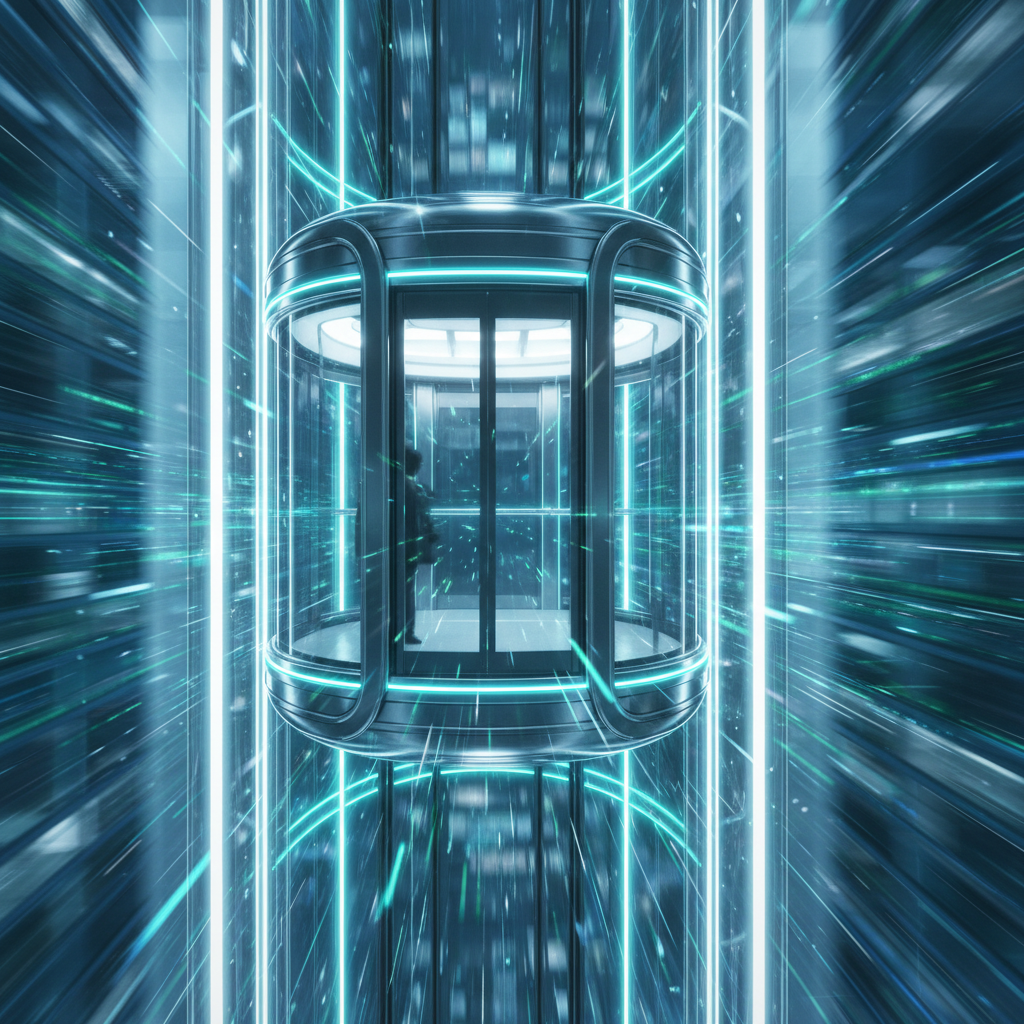
The Astonishing Ascent: Unveiling the World’s Fastest Elevator
Did you know that some elevators can travel at speeds exceeding 40 miles per hour? This isn’t science fiction; it’s the reality of modern vertical transportation. The quest for faster, more efficient ways to reach dizzying heights has led to incredible feats of engineering. Today, we’re diving deep into the realm of the fastest elevator in the world, exploring the technology, the records, and the iconic structures that house these marvels.
A Race to the Sky: The Evolution of Elevator Speed
For centuries, reaching higher floors meant climbing stairs. The invention of the elevator in the mid-19th century revolutionized building design, allowing for unprecedented vertical expansion. Early elevators were slow and somewhat rudimentary, but as technology advanced, so did their capabilities. The focus shifted from mere functionality to speed and efficiency, especially in the burgeoning era of skyscrapers.
Initially, elevator speed was a secondary concern. The primary goal was safety and reliability. However, as buildings grew taller and urban density increased, the need for rapid vertical transit became paramount. This led to intense competition among elevator manufacturers, pushing the boundaries of what was thought possible. The development of advanced motor control, sophisticated braking systems, and lighter, stronger materials all played crucial roles in this evolution. The introduction of magnetic levitation (maglev) technology, inspired by high-speed trains, marked a significant turning point, enabling smoother and much faster travel.
The Current Champion: Shanghai Tower’s Record-Breaking Elevator
As of my last update, the title of the fastest elevator in the world belongs to the Shanghai Tower in China. These incredible machines, manufactured by Mitsubishi Electric, are a testament to Japanese engineering prowess.
Speed and Performance
The elevators in the Shanghai Tower are designed to reach a breathtaking top speed of 20.5 meters per second (m/s), which translates to approximately 73.8 kilometers per hour (km/h) or 45.9 miles per hour (mph). To put that into perspective, that’s faster than many cars on a highway!
- Ascent Time: It takes a mere 55 seconds to travel from the ground floor to the 118th-floor observation deck. Imagine ascending 118 stories in less than a minute!
- Deceleration: While the ascent speed is astounding, the deceleration process is equally important for passenger comfort. The elevators are engineered to slow down smoothly and safely, preventing any jarring sensations.
The Technology Behind the Speed
Achieving these speeds requires incredibly advanced technology. The Shanghai Tower’s elevators utilize a sophisticated magnetic levitation (maglev) system. Unlike traditional elevators that rely on cables and counterweights, maglev elevators use powerful electromagnets to lift and propel the car. This system offers several advantages:
- Reduced Friction: Maglev eliminates the physical contact between the car and the guide rails, significantly reducing friction and wear.
- Smoother Ride: The absence of friction results in an exceptionally smooth and quiet ride for passengers.
- Higher Speeds: The technology allows for much higher speeds and acceleration compared to conventional systems.
Additional Innovations
Beyond the core maglev technology, these elevators incorporate numerous other innovations:
- Double-Deck Cars: Some of the elevators are double-decker, allowing them to transport more people simultaneously, further enhancing efficiency.
- Advanced Control Systems: Sophisticated computer systems manage the movement of multiple elevators, optimizing traffic flow and minimizing wait times.
- Safety Features: Redundant safety systems, including multiple braking mechanisms and emergency power supplies, are in place to ensure the highest level of security.
Other Contenders: Notable High-Speed Elevators Around the Globe
While the Shanghai Tower holds the current record, several other buildings boast incredibly fast elevators, pushing the boundaries of vertical transportation:
1. Lotte World Tower, South Korea
The Lotte World Tower in Seoul, South Korea, is home to one of the world’s fastest double-deck elevators, also manufactured by Mitsubishi Electric. These elevators travel at a top speed of 10 meters per second (m/s), or 36 km/h (22.4 mph). They connect the ground floor to the observation deck on the 117th floor in approximately 1 minute.
2. One World Trade Center, USA
Located in New York City, One World Trade Center features elevators designed by Otis Elevator Company that reach speeds of up to 10 meters per second (m/s), or 36 km/h (22.4 mph). These elevators are renowned for their advanced destination dispatch system, which groups passengers heading to the same floors, optimizing travel time.
3. Taipei 101, Taiwan
Before the Shanghai Tower took the crown, Taipei 101 held the record for the world’s fastest elevator. Its double-deck elevators, manufactured by Toshiba, travel at speeds of 10.1 meters per second (m/s), or 36.4 km/h (22.6 mph). They can ascend to the observatory on the 89th floor in just 37 seconds.
4. Burj Khalifa, UAE
The iconic Burj Khalifa in Dubai features advanced elevators from Otis that travel at speeds of 10 meters per second (m/s), or 36 km/h (22.4 mph). While not the absolute fastest, they are crucial for efficiently moving people through the world’s tallest building.
The Engineering Marvels: What Makes Them So Fast?
The incredible speeds achieved by these modern elevators are the result of several key technological advancements:
Advanced Motor Technology
High-performance electric motors, often using variable-frequency drives (VFDs), allow for precise control over speed and acceleration. These motors can generate immense power while operating efficiently and quietly.
Lightweight and Strong Materials
Modern elevator cars are constructed from lightweight yet incredibly strong materials like aluminum alloys and advanced composites. This reduces the overall weight, requiring less energy to accelerate and decelerate.
Sophisticated Control Systems
Intelligent control systems are the brains behind the operation. These systems use complex algorithms to manage elevator movement, predict traffic patterns, and optimize routes. Destination dispatch systems, where passengers select their desired floor before entering the elevator, are becoming increasingly common, significantly reducing travel times by grouping passengers efficiently.
Magnetic Levitation (Maglev)
As seen in the Shanghai Tower, maglev technology is a game-changer. By using magnetic forces to suspend and propel the elevator car, it eliminates the need for traditional cables and guide rails, allowing for unprecedented speed and smoothness. This technology is still relatively new in the elevator industry but holds immense potential for the future.
Enhanced Braking Systems
Speed requires equally robust safety. Modern elevators are equipped with advanced braking systems, including electromagnetic brakes and even aerodynamic brakes in some high-speed applications, ensuring rapid and safe stops.
The Impact of High-Speed Elevators
High-speed elevators are more than just impressive feats of engineering; they have a significant impact on modern architecture and urban living:
- Enabling Taller Buildings: Without fast and efficient vertical transport, the construction of supertall skyscrapers would be impractical. These elevators make living and working at extreme heights feasible.
- Improving Urban Density: By allowing buildings to reach greater heights, high-speed elevators help accommodate more people and businesses in urban centers, contributing to denser and more efficient city planning.
- Enhancing Passenger Experience: While speed is a factor, the focus is also on providing a comfortable and seamless experience. Advanced dampening systems, quiet operation, and smooth acceleration/deceleration contribute to this.
- Economic Benefits: Efficient movement of people within large commercial buildings can lead to increased productivity and better business operations.
The Future of Vertical Transportation
The race for faster and more efficient elevators is far from over. Manufacturers are continuously innovating, exploring new technologies and materials. We can expect to see:
- Further adoption of Maglev: As the technology matures and becomes more cost-effective, maglev systems are likely to become more prevalent in high-rise buildings.
- Multi-directional movement: Concepts like the MULTI elevator system by Thyssenkrupp envision elevator cars that can move both vertically and horizontally, revolutionizing building design.
- Increased focus on sustainability: Energy efficiency will remain a key consideration, with regenerative braking systems and smart energy management becoming standard.
Conclusion
The world’s fastest elevator is more than just a mode of transport; it’s a symbol of human ingenuity and our relentless drive to reach new heights. The Shanghai Tower’s record-breaking elevators, with their astonishing speeds and cutting-edge maglev technology, represent the pinnacle of current elevator engineering. As technology continues to evolve, we can only anticipate even more breathtaking advancements in vertical transportation, shaping the skylines and the way we interact with our built environment for generations to come.
Frequently Asked Questions (FAQs)
Q1: What is the fastest elevator in the world right now?
A1: As of current records, the fastest elevators in the world are located in the Shanghai Tower in China. They can reach speeds of up to 20.5 meters per second (m/s), or approximately 45.9 miles per hour (mph).
Q2: What technology allows elevators to travel so fast?
A2: The primary technology enabling these extreme speeds is magnetic levitation (maglev). This system uses electromagnets to lift and propel the elevator car without physical contact, reducing friction and allowing for much higher speeds and smoother rides compared to traditional cable systems.
Q3: How long does it take to travel in the fastest elevator?
A3: In the Shanghai Tower, it takes approximately 55 seconds to travel from the ground floor to the 118th-floor observation deck. This incredibly short travel time is a testament to the elevator’s speed.
Q4: Are high-speed elevators safe?
A4: Yes, high-speed elevators are designed with extensive safety features. They incorporate multiple redundant braking systems, advanced control systems, emergency power, and robust construction to ensure passenger safety. The deceleration process is carefully engineered for comfort and security.
Q5: What are the benefits of having fast elevators in skyscrapers?
A5: Fast elevators are crucial for making supertall skyscrapers practical. They enable efficient movement of large numbers of people, reduce wait times, improve building functionality, and contribute to the economic viability of high-rise developments. They are essential for vertical living and working.
Q6: What is the future of elevator technology?
A6: The future of elevator technology points towards innovations like wider adoption of maglev, multi-directional movement (like Thyssenkrupp’s MULTI system), increased energy efficiency through regenerative braking, and smarter, more integrated building systems. The focus will remain on speed, efficiency, safety, and sustainability.
This article is provided for general information only and does not constitute legal, financial, or professional advice. While every effort is made to ensure the information is accurate at the time of writing, no guarantee is given as to its completeness or ongoing accuracy. The author cannot be held responsible for any errors, omissions, or actions taken based on this content.