
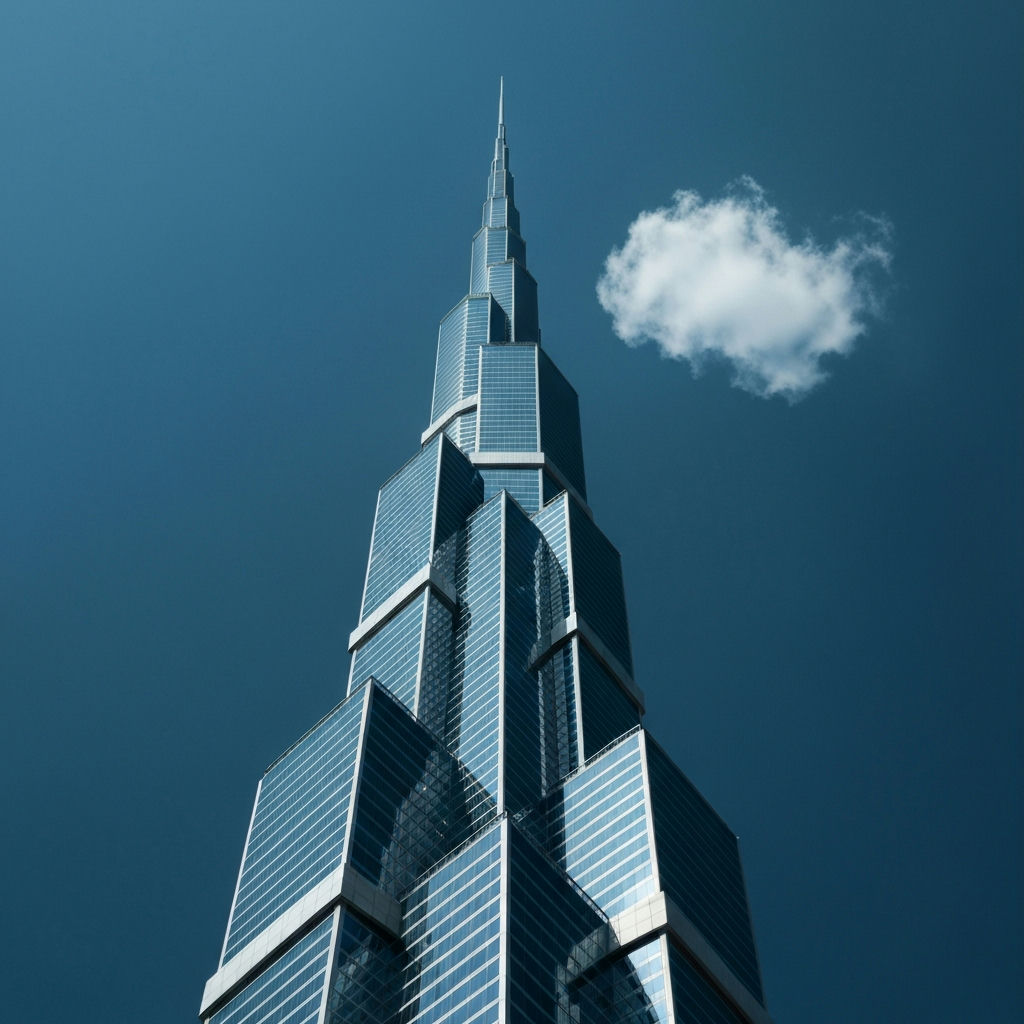
The Burj Khalifa, a gleaming titan piercing the Dubai skyline, isn’t just the world’s tallest building; it’s a testament to human ingenuity and cutting-edge engineering. Standing at an astonishing 828 meters (2,717 feet), this architectural marvel was designed to withstand forces that would shatter lesser structures. But how was such an impossible feat achieved? The answer lies in a symphony of innovative design, advanced materials, and a deep understanding of physics, particularly the relentless forces of nature. This article delves into the hidden engineering secrets that make the Burj Khalifa not just a skyscraper, but a fortress built to endure.
The design of the Burj Khalifa began with a vision to create an iconic landmark, a symbol of Dubai’s ambition. However, translating this vision into reality required overcoming immense engineering challenges. The sheer height alone presented unprecedented hurdles, from wind loads and seismic activity to the immense weight of the structure itself. The engineering team, led by Skidmore, Owings & Merrill (SOM) and executed by Samsung C&T, had to invent and refine solutions that pushed the boundaries of what was previously thought possible in skyscraper construction.
The Foundation: Anchoring a Giant
Before even reaching for the sky, the Burj Khalifa’s engineers had to ensure it had an unshakeable foundation. The sheer weight of the tower, estimated at over 500,000 tons, demanded a foundation system capable of distributing this massive load safely into the ground. The desert soil, while seemingly stable, presented its own set of challenges, including the potential for liquefaction during seismic events and the need to resist uplift forces from strong winds.
Deep Piles and Concrete Strength
The solution involved an extensive system of 192 bored reinforced concrete piles, each over 1.5 meters (5 feet) in diameter and extending more than 50 meters (164 feet) deep into the bedrock. This massive substructure acts as an anchor, transferring the building’s load to a more stable geological stratum. The concrete used in these piles was not ordinary; it was a specially formulated, high-strength concrete designed to withstand the immense pressures and corrosive elements found deep underground. The sheer volume of concrete poured for the foundation alone is staggering, requiring a logistical feat of epic proportions.
The Mat Foundation
Capping these deep piles is a massive reinforced concrete mat foundation, measuring approximately 3.7 meters (12 feet) thick. This mat acts as a giant, load-spreading plate, ensuring that the weight of the skyscraper is distributed evenly across the pile group. The reinforcement within the mat consists of steel bars, some as thick as 40mm, intricately woven to provide exceptional tensile strength. This robust foundation system is crucial for the Burj Khalifa’s stability, preventing any sinking or settling into the desert earth.
Combating the Wind: A Sculpted Silhouette
One of the most significant challenges for any supertall skyscraper is the immense force exerted by the wind. As a building gets taller, wind speeds increase dramatically, creating lateral (sideways) forces that can cause the structure to sway. For a building as tall as the Burj Khalifa, these forces are amplified, potentially leading to discomfort for occupants and even structural damage. The engineering team tackled this by employing a multi-pronged strategy that involved both the building’s shape and its structural system.
The Aerodynamic Design
The iconic spiraling shape of the Burj Khalifa is not merely aesthetic; it’s a crucial engineering feature designed to “confuse” the wind. The stepped, tapering profile, with setbacks at different levels, disrupts the formation of powerful wind vortices that can form around a uniform cylindrical or rectangular structure. These vortices, if allowed to form consistently, can create resonant vibrations, amplifying the building’s sway. By changing the building’s cross-section at various heights, the wind is forced to flow around the structure in a less predictable, less damaging manner. This innovative design significantly reduces the wind load on the building.
Tuned Mass Damper (TMD) – The Invisible Stabilizer
While the building’s shape helps, it doesn’t eliminate sway entirely. To further counteract wind-induced vibrations, the Burj Khalifa incorporates a tuned mass damper (TMD). Although not as visually prominent as some TMDs in other skyscrapers, the principle is the same. A massive weight, typically a large concrete block or steel mass, is suspended within the building. This mass is designed to move independently of the building’s structure. When the building sways due to wind, the TMD’s inertia causes it to move in the opposite direction, effectively counteracting the building’s motion and reducing the perceived sway for occupants. The precise tuning of this system is critical to its effectiveness.
The Y-Shaped Plan: Structural Synergy
The Burj Khalifa’s unique Y-shaped floor plan is another key element in its wind resistance. This configuration provides inherent structural stability. The three wings of the ‘Y’ buttress each other, creating a rigid core that resists torsional (twisting) forces. This design also maximizes the number of windows with views of the Persian Gulf while minimizing the building’s exposure to prevailing winds from any single direction. The buttressed core system is fundamental to the building’s ability to withstand lateral loads.
A Superstructure of Steel and Concrete
The Burj Khalifa’s superstructure is a marvel of modern construction, combining the strength of reinforced concrete with the precision of steel. The building’s height necessitates a structural system that is both robust and relatively lightweight to minimize the load on the foundation.
The Reinforced Concrete Core
At the heart of the Burj Khalifa is a reinforced concrete hexagonal core. This core provides the primary vertical support for the building and houses essential services like elevators, stairwells, and plumbing. The hexagonal shape, combined with the thick concrete walls and extensive steel reinforcement, makes this core incredibly strong and resistant to lateral forces. As the building rises, the core acts as the backbone, to which the outer wings are attached.
Wings and Outriggers: Distributing Loads
The three wings of the Y-shaped plan extend outwards from the central core. These wings are constructed using reinforced concrete columns and slabs. At various levels, outrigger trusses connect the wings to the central core. These outrigger systems are crucial for stiffening the structure and transferring lateral loads from the wings to the core, further enhancing the building’s stability against wind and seismic forces. This integrated structural system ensures that forces are distributed efficiently throughout the entire building.
Advanced Concrete Technology
The construction of the Burj Khalifa required the use of advanced concrete technologies. For the upper levels, where pumping concrete to extreme heights was a significant challenge, special high-strength concrete mixes were developed. These mixes were designed to retain their workability during the long pumping process and to achieve the required compressive strength upon setting. The ability to pump concrete to heights exceeding 600 meters (nearly 2,000 feet) was a significant engineering achievement in itself, utilizing advanced pumping equipment and specialized concrete formulations.
Resisting Earthquakes: Built for the Unexpected
While Dubai is not located in a high-risk seismic zone, the engineers of the Burj Khalifa did not overlook the possibility of earthquakes. The structure was designed to withstand seismic forces that are far greater than what is typically expected in the region. This robust design ensures the safety of occupants and the integrity of the building even in the face of seismic tremors.
Seismic Design Standards
The Burj Khalifa was designed to exceed the seismic design requirements for the region. Engineers utilized advanced seismic analysis software to model the building’s response to various earthquake scenarios. The structural system, including the robust foundation, the strong Y-shaped plan, and the reinforced concrete core, is inherently resistant to seismic shaking. The flexibility of the structure, combined with its strength, allows it to absorb and dissipate seismic energy without catastrophic failure.
Damping Systems
Beyond the tuned mass damper for wind, the building’s overall structural design incorporates elements that help dissipate seismic energy. The way the different structural components are connected, the type of reinforcement used, and the sheer mass of the building all contribute to its ability to withstand ground motion. The goal in seismic design is not to prevent all movement, but to ensure that the building can sway and absorb the energy without collapsing.
The Cladding: A Shield Against the Elements
The exterior of the Burj Khalifa, its shimmering facade, is more than just a visual statement. It’s a sophisticated cladding system designed to protect the building and its occupants from the harsh desert environment, including intense heat, sandstorms, and UV radiation.
High-Performance Glazing
The Burj Khalifa features over 26,000 individual glass panels. These are not ordinary windows; they are high-performance, double-glazed units designed to minimize solar heat gain. The specially coated glass reflects a significant amount of solar radiation, reducing the cooling load on the building’s HVAC system and maintaining a comfortable interior temperature. This is crucial in Dubai’s scorching climate, where temperatures can exceed 40°C (104°F).
Aluminum and Stainless Steel Panels
Interspersed with the glass are aluminum and stainless steel panels. These materials were chosen for their durability, corrosion resistance, and aesthetic appeal. The stainless steel panels, in particular, provide a reflective surface that complements the glass and contributes to the building’s overall visual impact. The cladding system is meticulously engineered to allow for thermal expansion and contraction of materials due to temperature fluctuations, preventing stresses that could lead to damage.
Sandstorm Resistance
The desert environment is prone to sandstorms. The Burj Khalifa’s cladding system was designed to withstand the abrasive impact of sand particles and the high wind pressures associated with these storms. The joints and seals between panels are designed to prevent sand infiltration, protecting the interior spaces and the building’s mechanical systems.
The Vertical City: Systems and Services
A building of the Burj Khalifa’s scale is essentially a vertical city, requiring an intricate network of systems and services to function. From water supply and waste disposal to power and climate control, every aspect has been engineered for efficiency and reliability.
Water Supply and Wastewater Management
Supplying water to the upper levels of the Burj Khalifa is a monumental task. The building requires approximately 946,000 liters (250,000 gallons) of water per day. This is supplied by a complex network of pumps and storage tanks. Similarly, the wastewater management system efficiently collects and disposes of sewage and greywater, often utilizing gravity and advanced pumping systems to manage the vertical flow.
Air Conditioning and Ventilation
Maintaining a comfortable internal climate in the extreme heat of Dubai is a major engineering challenge. The Burj Khalifa utilizes a high-efficiency central air conditioning system. Chilled water is produced at the base of the building and pumped to air handling units on each floor. These units then distribute cooled air throughout the occupied spaces. The system is designed to be highly energy-efficient, minimizing the building’s environmental footprint. The ventilation system also ensures a constant supply of fresh, filtered air to all occupied areas.
Elevators: The Arteries of the Tower
With 160 habitable floors, vertical transportation is critical. The Burj Khalifa features 57 elevators and 8 escalators. The elevators are high-speed, double-deck units capable of carrying large numbers of people quickly and efficiently. Some of these elevators are specifically designed for the residential and hotel sections, while others serve the corporate suites and observation decks. The sophisticated elevator control system minimizes wait times and optimizes traffic flow throughout the building.
Materials Science Innovation
The construction of the Burj Khalifa pushed the boundaries of materials science, requiring the development and application of advanced materials to meet the extreme demands of the project.
High-Strength Concrete
As mentioned earlier, the use of high-strength concrete was paramount. The concrete mix designs were optimized for compressive strength, durability, and pumpability. The ability to achieve strengths exceeding 100 megapascals (MPa) was essential for the structural integrity of the core and other critical elements, especially at lower levels where immense compressive forces are at play. According to the Council on Tall Buildings and Urban Habitat (CTBUH), the Burj Khalifa’s construction involved over 320,000 cubic meters of concrete.
Advanced Steel Reinforcement
The steel reinforcement used in the concrete structures was also of high quality, providing the necessary tensile strength to complement the compressive strength of the concrete. The precise placement and detailing of this reinforcement were critical for ensuring the structure’s ability to withstand bending moments and shear forces, particularly those induced by wind and seismic loads.
Environmental Considerations and Sustainability
While the Burj Khalifa is a monument to engineering prowess, its design also incorporated considerations for environmental sustainability, particularly in the context of its challenging climate.
Water Conservation
The building’s design incorporates water conservation measures. For instance, the condensation collected from the cooling systems is channeled and used for irrigation of the surrounding landscaping. This simple yet effective strategy significantly reduces the demand for potable water in landscaping.
Energy Efficiency
The high-performance glazing and the efficient HVAC system contribute to reducing the building’s overall energy consumption. While a building of this scale naturally has a significant energy footprint, the engineering choices made aimed to minimize this impact as much as possible within the constraints of its design and function. The use of natural ventilation in certain areas, where feasible, also contributes to energy savings.
The Human Element: Safety and Occupant Comfort
Beyond structural integrity, the engineering of the Burj Khalifa prioritizes the safety and comfort of the thousands of people who live, work, and visit the tower daily.
Fire Safety Systems
The Burj Khalifa is equipped with advanced fire detection and suppression systems. These include specialized fire-rated construction materials, sprinkler systems, and dedicated fire-rated refuge areas on each floor. The building’s verticality presents unique challenges for evacuation, and the design incorporates features to manage this, including pressurized stairwells to prevent smoke ingress and designated evacuation routes.
Wind Comfort at Height
Even with the advanced wind-dampening systems, occupants at the very top of the Burj Khalifa will still experience some sway. The engineering team carefully analyzed and mitigated these effects to ensure that the building remains comfortable for its inhabitants. The goal is to keep the sway within acceptable limits for human perception and to prevent any feelings of motion sickness.
A Legacy of Innovation
The Burj Khalifa is more than just a tall building; it’s a living laboratory of engineering innovation. The solutions developed for its construction have influenced subsequent supertall projects worldwide. The lessons learned in areas like wind engineering, high-rise construction techniques, and advanced materials have become part of the global engineering knowledge base.
The sheer audacity of the project, combined with the meticulous engineering and execution, has cemented the Burj Khalifa’s place in architectural history. It stands as a powerful symbol of what can be achieved when ambition is paired with unparalleled technical expertise. The engineering secrets embedded within its structure are a testament to the relentless pursuit of overcoming the seemingly impossible. It represents a pinnacle in skyscraper engineering, a benchmark for future ambitious projects.
Case Study: The Wind Tunnel Testing
A critical component of the Burj Khalifa’s wind engineering strategy involved extensive wind tunnel testing. Scale models of the building were subjected to simulated wind conditions in specialized wind tunnels. These tests allowed engineers to:
- Measure wind pressures: Precisely quantify the forces exerted by the wind on different parts of the building’s facade at various wind speeds and directions.
- Analyze vortex shedding: Observe and understand the patterns of air flow and the formation of vortices around the building’s unique shape.
- Assess building response: Measure the building’s sway and torsional movements under different wind loads.
- Refine the design: Use the data gathered to make iterative adjustments to the building’s shape, setbacks, and structural system to optimize its aerodynamic performance and minimize wind-induced vibrations.
These wind tunnel tests, conducted by leading aerodynamic consultants, were instrumental in validating the effectiveness of the stepped, tapering design and ensuring occupant comfort and structural integrity. The results from these tests informed every aspect of the wind-resistant design, from the overall silhouette to the detailing of facade elements. This rigorous scientific approach underscores the deep commitment to engineering excellence that defined the Burj Khalifa project.
Conclusion: A Triumph of Engineering
The Burj Khalifa is a triumph of human ingenuity, a structure that defies gravity and challenges the limits of engineering. Its success is a result of meticulous planning, innovative problem-solving, and the application of cutting-edge technologies. From its deep pile foundation to its wind-defying aerodynamic shape and its sophisticated internal systems, every element of the Burj Khalifa has been engineered to withstand the impossible. It stands not only as the world’s tallest building but as a powerful symbol of human aspiration and the enduring spirit of innovation in the 21st century. The engineering marvels within its slender frame continue to inspire awe and admiration globally.
Frequently Asked Questions
What makes the Burj Khalifa so stable?
The Burj Khalifa’s remarkable stability is due to a combination of factors. Its foundation consists of 192 deep piles and a thick mat foundation that anchors it firmly into the ground. Structurally, its Y-shaped floor plan provides exceptional resistance to lateral forces like wind and earthquakes. The building’s aerodynamic design, with its stepped and tapering profile, disrupts wind vortices, and a tuned mass damper further counteracts sway. The robust reinforced concrete core acts as the building’s backbone, providing immense vertical support.
How does the Burj Khalifa deal with strong winds?
Wind is a major challenge for supertall buildings. The Burj Khalifa’s engineers addressed this through its unique spiraling, setbacks design, which confuses the wind and prevents the formation of strong, resonant vortices. This aerodynamic shape significantly reduces wind loads. Additionally, a tuned mass damper (TMD) is incorporated into the structure. This massive counterweight moves in response to wind-induced swaying, effectively stabilizing the building and minimizing occupant discomfort.
What materials were used to build the Burj Khalifa?
The primary materials used in the construction of the Burj Khalifa are reinforced concrete and steel. For the foundation, high-strength concrete was used, along with extensive steel reinforcement. The superstructure features a reinforced concrete hexagonal core and wings constructed from concrete and steel. The exterior cladding is made of high-performance glass, aluminum, and stainless steel panels, chosen for their durability and ability to withstand the desert climate. Over 320,000 cubic meters of concrete and 55,000 tons of steel reinforcement were used in its construction.
Is the Burj Khalifa designed to withstand earthquakes?
Yes, the Burj Khalifa was designed with seismic resilience in mind, even though Dubai is not in a high-risk earthquake zone. The building exceeds regional seismic design standards. Its robust foundation, the strong Y-shaped structural system, and the reinforced concrete core are all designed to absorb and dissipate seismic energy, ensuring the building’s integrity and the safety of its occupants during an earthquake. Advanced seismic analysis was performed to model the building’s response to various earthquake scenarios.
How does the Burj Khalifa get water and manage waste?
The Burj Khalifa requires a substantial amount of water daily, estimated at nearly a million liters. This is supplied by an advanced system of pumps and storage tanks that deliver water to all levels. The wastewater management system is equally sophisticated, efficiently collecting and disposing of sewage and greywater using gravity and specialized pumping systems to handle the extreme vertical distances. Condensation from the cooling systems is also captured and reused for landscape irrigation, promoting water conservation.
What is the function of the stepped design of the Burj Khalifa?
The stepped, tapering, and setback design of the Burj Khalifa is primarily an aerodynamic strategy. As the building rises, its cross-section changes at different levels. This irregular shape disrupts the formation of powerful wind vortices that can cause a uniform structure to vibrate. By “confusing” the wind, the building experiences less lateral force and reduced sway, enhancing both structural stability and occupant comfort. This design choice was heavily informed by extensive wind tunnel testing.
—
*”All content published on this website is provided for general informational purposes only. The material may include technical guidance, troubleshooting advice, and general commentary relating to technology, software, security, and IT systems.
While every effort is made to ensure the information is accurate and up to date at the time of publication, Fox Technologies makes no representations or warranties of any kind, express or implied, regarding the completeness, reliability, suitability, or availability of the information contained on this website.
Technical procedures, commands, and configuration guidance are provided as examples only and may not be appropriate for every system or environment. Any reliance placed on the information provided is strictly at the user’s own risk.
Fox Technologies shall not be liable for any loss or damage including, without limitation, indirect or consequential loss, data loss, system failure, security issues, or business interruption arising from the use of this website or the implementation of any advice, guidance, or procedures described within its content.
Users are strongly advised to ensure appropriate backups are in place and to consult qualified professionals before making changes to systems, networks, software, or security configurations.”*