
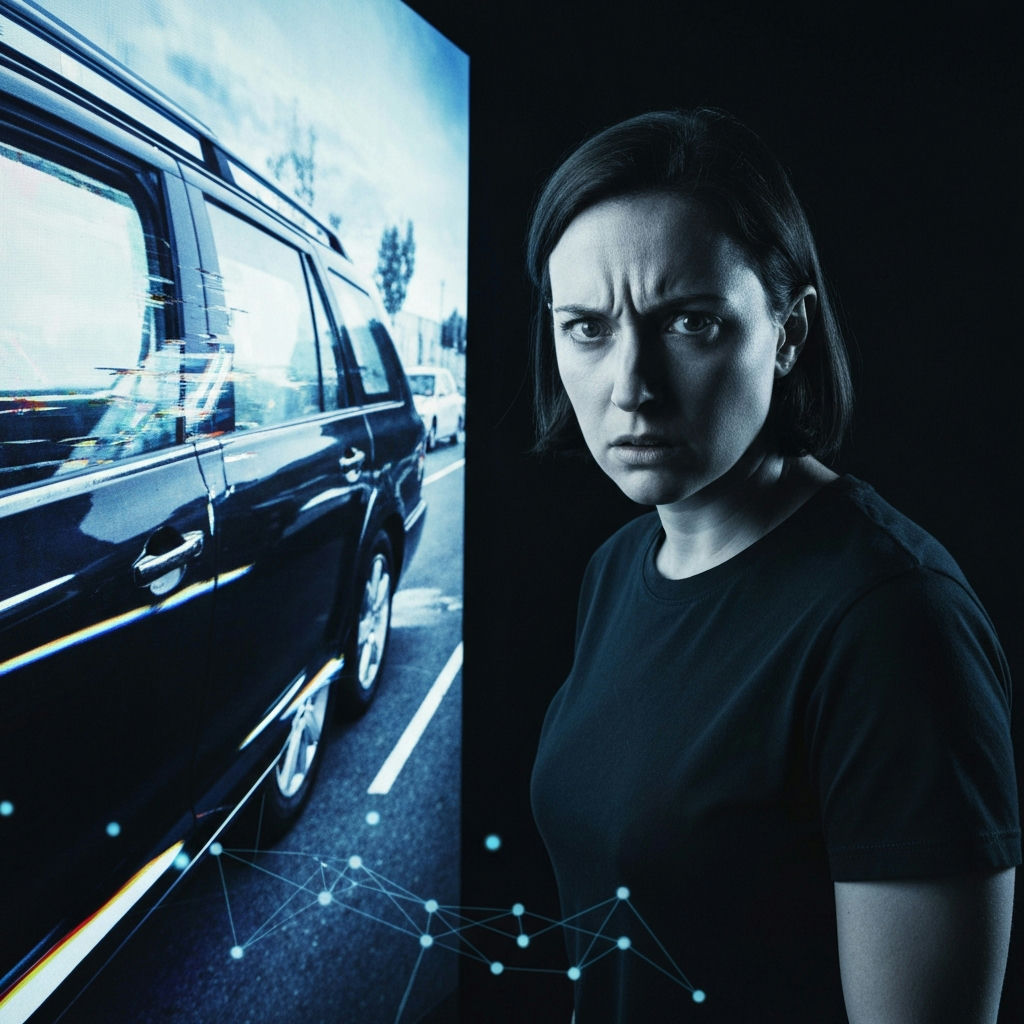
In 2026, the landscape of insurance fraud is being dramatically reshaped by a new, insidious threat: the proliferation of fake images generated by artificial intelligence. These AI-created visuals are becoming increasingly sophisticated, making it harder than ever for insurers to distinguish between genuine claims and fabricated ones. This article will explore the alarming rise of AI-driven insurance scams, how these fake images are used, the advanced detection methods being developed, and what policyholders and insurers can do to combat this growing problem. The sheer realism of AI-generated imagery means that what you see might not be what you get, especially when significant sums of money are at stake in insurance claims.
The ability of AI to generate hyper-realistic images has exploded in recent years. Gone are the days of blurry, easily identifiable doctored photos. Today’s AI models can produce images that are virtually indistinguishable from real photographs, depicting everything from car accidents and property damage to personal injuries. This technological leap is a double-edged sword, offering incredible creative potential but also providing a powerful new tool for fraudsters.
Understanding the AI Image Generation Revolution
Before diving into the scams themselves, it’s crucial to understand the technology powering them. Generative Adversarial Networks (GANs) and diffusion models are the primary AI architectures behind this revolution. GANs, for instance, involve two neural networks – a generator and a discriminator – that compete against each other. The generator creates images, and the discriminator tries to identify them as fake. Through this adversarial process, the generator becomes progressively better at creating incredibly convincing images.
Diffusion models work differently, gradually adding noise to an image until it’s unrecognizable, and then learning to reverse the process, effectively generating new images from noise. These models, often trained on vast datasets of real-world imagery, can produce novel visuals based on textual prompts. For example, a scammer could simply type “a car accident with significant damage to the front bumper and a cracked windshield” and receive multiple photorealistic options.
This accessibility means that even individuals with limited technical skills can generate compelling fake evidence. The cost of sophisticated AI tools has also decreased, making them readily available on the dark web and through various online platforms. As the technology matures, the ethical implications become more pronounced, particularly in areas where visual evidence is paramount, like the insurance industry.
How Fake Images Fuel AI Insurance Scams
The applications of fake AI-generated images in insurance scams are varied and often ingenious. Here are some of the most prevalent methods observed in 2026:
Fabricated Accident Scenes
This is perhaps the most common use case. Scammers can create entirely fictional car accidents. They might generate images of vehicles with pre-existing damage altered to appear more severe or entirely new damage. They can even create images of “witnesses” or “injured parties” that never existed. The detail can be astounding, including realistic lighting, reflections, and even subtle environmental cues that mimic a genuine scene.
For instance, a fraudulent claim might involve a staged fender-bender where the scammer generates images showing exaggerated damage to their vehicle, claiming it was caused by another driver (whose details might also be fabricated). The AI can be prompted to include elements like skid marks, shattered glass, and even simulated blood spatters for injury claims, making the scene appear devastating and the payout justified.
Exaggerated Property Damage
Homeowners’ insurance and commercial property insurance are also prime targets. Scammers can use AI to generate images depicting storm damage, fire damage, or flood damage that is far worse than the reality. They might take a photo of a roof with minor wear and tear and use AI to add significant cracks, missing shingles, and water stains, making it look like a recent hurricane or hailstorm caused extensive destruction.
Consider a scenario where a property owner claims significant water damage from a burst pipe. They might submit AI-generated images showing warped flooring, mold growth, and severely damaged drywall, even if the actual damage was minimal and easily repairable. The AI can meticulously recreate the textures of water-damaged materials, making the deception incredibly difficult to spot.
Fabricating Personal Injuries
Personal injury claims, especially those related to accidents, are notoriously difficult to verify. AI can be used to create images of injuries that don’t exist or to exaggerate the severity of minor ones. This could involve generating images of bruises, lacerations, or even more severe wounds that appear plausible in the context of an accident.
A scammer might claim whiplash and submit AI-generated medical images or photographs of themselves appearing to be in distress or sporting simulated injuries. The ability to control the visual narrative with AI makes it easier to build a compelling, albeit false, case for significant compensation.
Creating Fake Supporting Documents
Beyond just accident scenes and injuries, AI can also generate fake supporting documents. This includes creating realistic-looking invoices from non-existent repair shops, fabricated medical reports, or even forged police reports. The text within these documents can also be generated by AI, ensuring consistency in tone and style with legitimate documents. This layered approach makes the entire fraudulent claim more cohesive and believable.
Imagine a scammer submitting a claim for damaged goods during transit. They could use AI to generate photos of the damaged items, along with AI-generated invoices from a fake shipping company and a fabricated bill of lading, all designed to create an illusion of a legitimate loss.
The Challenges for Insurers in Detecting Fake Images
The sophistication of AI-generated images presents a significant challenge for insurance companies. Traditional methods of fraud detection often rely on visual inspection, expert analysis of image metadata, and cross-referencing with other evidence. However, AI is rapidly eroding the effectiveness of these methods.
Evading Metadata Analysis
While digital images contain metadata (like EXIF data) that can reveal information about the camera, date, and location, AI-generated images often lack this data or can be programmed to include fabricated metadata. This makes it difficult to trace the image’s origin or verify its authenticity through these technical means alone. Some advanced AI tools are designed to strip or inject specific metadata to further obfuscate their origins.
Mimicking Real-World Imperfections
Scammers using AI are learning to incorporate subtle imperfections that are characteristic of real photographs, such as lens distortion, natural lighting variations, and even minor digital noise. This deliberate inclusion of realistic flaws makes the images appear less “perfect” and therefore more likely to be perceived as genuine by human reviewers. For example, AI can be prompted to introduce slight blurriness in the background or realistic shadows that fall at a specific angle, mimicking natural light conditions.
Volume and Speed of Claims
The sheer volume of insurance claims processed daily means that insurers must rely on efficient, often automated, systems. While AI can also be used to detect fraud, the speed at which fraudulent images can be generated and submitted can overwhelm these systems. The arms race between AI fraud creation and AI fraud detection is ongoing and intensifying.
Human Error and Bias
Even with trained fraud investigators, human perception is fallible. It is incredibly difficult for a human to definitively identify a highly realistic AI-generated image as fake without specialized tools. Furthermore, confirmation bias can play a role; if an investigator wants to believe a claim is legitimate, they may overlook subtle inconsistencies that a purely objective analysis might catch.
Advanced Detection Techniques and Countermeasures in 2026
The insurance industry is not standing still. Significant investments are being made in developing and deploying advanced technologies to combat AI-generated image fraud.
AI-Powered Image Forensics
Just as AI is used to create fake images, it’s also being trained to detect them. Sophisticated AI algorithms are being developed to analyze images for subtle anomalies that are characteristic of AI generation. These can include:
- Inconsistent Lighting and Shadows: AI models can sometimes struggle to perfectly replicate the physics of light and shadow across an entire scene, leading to subtle inconsistencies.
- Unnatural Textures and Patterns: AI might produce repetitive or slightly distorted patterns in textures like fabric, wood grain, or skin.
- Anomalies in Facial Features or Anatomy: While AI is good, it can still sometimes produce strangely symmetrical faces, unusual eye reflections, or anatomical inconsistencies that a human might not immediately notice but an algorithm can flag.
- Pixel-Level Analysis: Advanced algorithms can examine images at a pixel level, looking for statistical patterns or artifacts that betray their synthetic origin.
These tools can analyze images much faster and often with greater accuracy than human reviewers, flagging suspicious visuals for further investigation.
Blockchain for Provenance Tracking
Blockchain technology offers a way to create immutable records of digital assets. In the context of insurance, images submitted as evidence could be time-stamped and hashed onto a blockchain. This creates a verifiable record of the image’s existence at a specific time, making it much harder to retroactively introduce fabricated evidence. If an image is later found to be generated or altered, its blockchain record would likely not match the original hash.
This approach is particularly useful for documenting the state of property or vehicles before an incident occurs, creating a baseline of authenticity. For example, a homeowner could regularly take photos of their property and log them on a blockchain, providing irrefutable proof of its condition at various points in time.
Enhanced Data Verification and Cross-Referencing
Insurers are increasingly using AI to cross-reference submitted images and data with other sources. This includes:
- Satellite Imagery: Comparing claimed property damage with high-resolution satellite imagery from the same period.
- Weather Data: Verifying if weather conditions described in a claim (e.g., a severe storm) actually occurred in that location and time.
- Geolocation Data: Cross-referencing the location where an accident allegedly occurred with GPS data from vehicles or mobile devices, if available and permissible.
- Public Records and Social Media: Checking for inconsistencies between the claim and publicly available information or social media posts.
This multi-faceted approach helps build a more robust picture of the claim’s validity.
Collaboration and Information Sharing
The fight against AI-driven fraud requires collaboration. Insurance companies are increasingly sharing anonymized data and insights about fraudulent patterns and tactics with each other and with law enforcement agencies. Industry bodies are also working to establish best practices and develop standardized tools for fraud detection. Organizations like the Coalition Against Insurance Fraud are crucial in this collaborative effort, providing resources and facilitating information exchange.
The Role of Policyholders and What You Can Do
While insurers are deploying advanced technologies, policyholders also have a role to play in maintaining the integrity of the insurance system.
Be Truthful and Accurate
The most straightforward way to avoid issues is to be honest in all your dealings with your insurance provider. Provide accurate details about incidents, damages, and injuries. Avoid any temptation to exaggerate claims or submit fabricated evidence. Insurance fraud is a serious crime with significant legal and financial consequences.
Keep Original Records
Whenever possible, keep original, unedited photos and videos of your property, vehicles, and any incidents. If you are involved in an accident, take multiple photos from different angles immediately after the event. Store these securely and be prepared to provide them to your insurer. Uploading original, high-resolution images directly from your device, rather than using compressed versions shared online, can also help.
Understand Your Policy
Familiarize yourself with the terms and conditions of your insurance policy. Understand what is covered, what is excluded, and the claims process. This knowledge will help you submit legitimate claims correctly and avoid misunderstandings that could inadvertently lead to issues.
Be Wary of Unsolicited Offers
If you receive unsolicited offers for legal representation or repair services following an incident, be cautious. Some unscrupulous individuals may target accident victims with the intent of orchestrating fraudulent claims. Always work with reputable and established professionals.
The Future Outlook: An Ongoing Battle
The use of AI in insurance fraud is an evolving challenge. As detection technologies improve, fraudsters will undoubtedly find new ways to exploit AI capabilities. This necessitates a continuous cycle of innovation and adaptation from the insurance industry.
The ethical implications of AI are a growing concern across many sectors, and insurance is no exception. The potential for AI to be used for malicious purposes highlights the need for responsible AI development and robust regulatory frameworks. As AI becomes more integrated into our lives, understanding its potential for both good and ill is paramount.
The financial impact of insurance fraud is substantial, costing billions of dollars annually and ultimately driving up premiums for honest policyholders. The rise of AI-generated fake images is a significant escalation of this problem, demanding a concerted effort from technology providers, insurers, regulators, and the public to maintain the integrity of the insurance system.
Legal and Regulatory Responses
Governments and regulatory bodies are beginning to grapple with the implications of AI-generated content. Legislation is being considered and introduced in various jurisdictions to address issues like deepfakes and AI-generated misinformation. For the insurance industry, this could translate into new requirements for evidence verification and stricter penalties for digital fraud. For instance, the European Union’s AI Act, which came into effect in phases starting in 2025, aims to regulate AI systems based on their risk level, potentially impacting how AI-generated content is treated as evidence in legal and financial contexts. The European Parliament’s official page on the AI Act757748) provides detailed insights into its scope and objectives.
The Importance of Human Oversight
Despite the advancements in AI detection tools, human oversight remains critical. AI systems can flag suspicious content, but human investigators are often needed to interpret the findings, conduct further investigation, and make final judgments. The combination of AI-powered analytics and experienced human intuition is likely to be the most effective approach in the ongoing battle against sophisticated fraud.
Ethical Considerations in AI Development
The developers of AI image generation tools have an ethical responsibility to consider the potential misuse of their technology. While open access fosters innovation, it also lowers the barrier for malicious actors. Discussions are ongoing within the AI community about implementing safeguards, watermarking technologies, and ethical guidelines for the deployment of powerful generative models. Organizations like the Partnership on AI are actively working on developing ethical frameworks for AI technologies.
Conclusion: Vigilance in the Age of AI Deception
The increasing sophistication of fake images behind AI insurance scams represents a significant evolution in fraudulent activities. In 2026, insurers face a formidable challenge in discerning truth from AI-generated fiction. The ability to create hyper-realistic visuals of accidents, damages, and injuries means that traditional verification methods are no longer sufficient.
However, the industry is responding with innovative AI-powered detection tools, blockchain solutions, and enhanced data verification strategies. A collaborative approach involving insurers, technology experts, regulators, and policyholders is essential. For individuals, maintaining honesty, keeping original records, and understanding policy terms are crucial.
The future will likely see an ongoing arms race between AI-driven fraud creation and detection. Vigilance, technological advancement, and ethical considerations will be key to navigating this new era of digital deception and ensuring the integrity of the insurance system for everyone. The fight against AI insurance scams is not just about protecting financial assets; it’s about preserving trust in a system that provides vital security and support.
Frequently Asked Questions
What are AI insurance scams?
AI insurance scams are fraudulent activities where artificial intelligence is used to create fake evidence, such as realistic images or videos, to support exaggerated or entirely fabricated insurance claims. These scams aim to deceive insurance companies into paying out more money than is legitimately owed, or to claim for losses that never occurred.
How can I tell if an image is AI-generated?
Identifying AI-generated images can be very difficult, especially as the technology improves. However, some subtle signs to look for include inconsistent lighting or shadows, unnatural textures or patterns, strange repetitions, oddities in facial features or anatomy (like asymmetrical ears or too many fingers), and unusual reflections. Specialized AI detection software is becoming the most reliable method.
What are the consequences of committing insurance fraud?
Insurance fraud is a serious crime with severe consequences. Convicted individuals can face hefty fines, imprisonment, a criminal record, and difficulty obtaining insurance or credit in the future. The financial and personal repercussions can be long-lasting.
How are insurance companies fighting AI-generated image fraud?
Insurance companies are investing heavily in advanced AI-powered forensic tools to detect anomalies in images. They are also exploring technologies like blockchain for secure record-keeping, enhancing data verification by cross-referencing claims with satellite imagery and weather data, and fostering collaboration and information sharing within the industry.
Is it illegal to use AI to create images for an insurance claim?
Yes, using AI to create fake images or any form of deceptive content to support an insurance claim is considered insurance fraud, which is illegal in most jurisdictions worldwide. Submitting fraudulent claims, regardless of the method used to create the fake evidence, carries significant legal penalties.
What should I do if I suspect an insurance claim involves fake AI images?
If you suspect an insurance claim involves fake AI images, you should report it to the insurance company handling the claim or to relevant law enforcement or regulatory bodies. Many insurance organizations have dedicated fraud hotlines or online reporting systems. Providing specific details and any evidence you might have can assist in the investigation.
—
*”All content published on this website is provided for general informational purposes only. The material may include technical guidance, troubleshooting advice, and general commentary relating to technology, software, security, and IT systems.
While every effort is made to ensure the information is accurate and up to date at the time of publication, Fox Technologies makes no representations or warranties of any kind, express or implied, regarding the completeness, reliability, suitability, or availability of the information contained on this website.
Technical procedures, commands, and configuration guidance are provided as examples only and may not be appropriate for every system or environment. Any reliance placed on the information provided is strictly at the user’s own risk.
Fox Technologies shall not be liable for any loss or damage including, without limitation, indirect or consequential loss, data loss, system failure, security issues, or business interruption arising from the use of this website or the implementation of any advice, guidance, or procedures described within its content.
Users are strongly advised to ensure appropriate backups are in place and to consult qualified professionals before making changes to systems, networks, software, or security configurations.”*